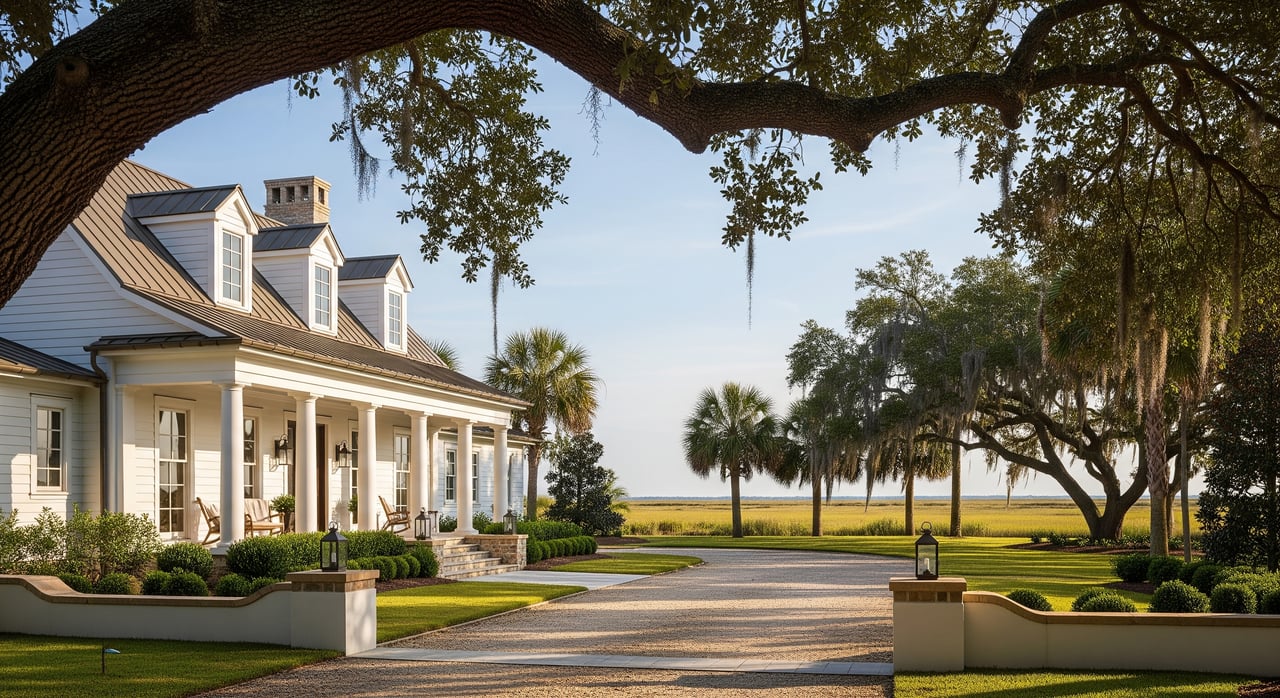
Thinking about living where golf mornings meet beach afternoons? Pawleys Plantation puts you right on the Waccamaw Neck in Georgetown County, close to Pawleys Island, Litchfield, Historic Georgetown, and the Grand Strand. If you want a coastal lifestyle without the constant bustle, this community delivers space, amenities, and easy access to sand and surf.
Buying here is different from buying inland. Coastal inspections, FEMA flood maps, HOA rules, and insurance details can shape your offer and long-term costs. In this guide, you’ll learn what to expect in Pawleys Plantation, what to verify during due diligence, and how a local agent helps you buy with confidence. Let’s dive in.
Pawleys Plantation at a glance
Pawleys Plantation sits on the Waccamaw Neck in coastal Georgetown County. You’re minutes from Pawleys Island and Litchfield Beach, within a practical drive of the Grand Strand to the north and Historic Georgetown to the south. Many buyers choose the area for its blend of golf, water access, and lower-density neighborhoods.
You’ll find a master-planned setting with organized streets, gated sections, and community amenities. Proximity to beaches, shopping, and healthcare hubs across the corridor makes daily life convenient. The lifestyle appeals to full-time residents, retirees, and second-home owners looking for low-maintenance amenities and a calm coastal pace.
Homes and amenities you’ll find
Housing ranges from single-family homes on medium to larger lots to newer custom builds. Many are designed for coastal living with raised foundations and screened porches. Architectural styles include traditional, Lowcountry, cottage, and contemporary coastal.
Amenities typically include a golf course and clubhouse, pools, tennis or pickleball courts, and walking trails. Community events and social calendars are common. Some amenities fall under HOA management, while certain golf or club facilities may have separate memberships. A local agent can help you confirm what is included with each address and which amenities require additional fees or memberships.
How the market moves here
Coastal submarkets move on their own timelines. Inventory, days on market, and price-per-square-foot vary from broader Georgetown County numbers. To value a Pawleys Plantation home, you should lean on recent closed sales within the same subdivision or adjacent neighborhoods, then adjust for lot features like golf or water views, elevation, and renovations.
Offer strategies also shift with conditions. In more competitive pockets, buyers may use escalation clauses or limit certain contingencies. In balanced periods, you can keep inspection, appraisal, financing, and insurance contingencies intact. A local agent will show you what is customary in Pawleys Plantation right now, including how sellers view timelines, repairs, and closing terms.
Inspections deserve extra attention in coastal settings. Roof condition, salt-air exposure on HVAC, termite activity, and wood rot are common focus areas. If a home backs to water or wetlands, site drainage and shoreline structures matter for long-term maintenance and resale.
Environmental and insurance essentials
Pawleys Plantation’s proximity to the coast and local creeks means flood risk is parcel-specific. FEMA Flood Insurance Rate Maps are the baseline for determining flood zones and lender requirements. Elevation, base flood elevation, and any recent map updates can influence whether flood insurance is required and how much it costs.
Insurance generally includes a standard homeowners policy, and depending on the flood zone and lender, a flood policy through the National Flood Insurance Program or a private carrier. Windstorm and hurricane deductibles are common for coastal South Carolina policies and are often percentage-based. Get quotes early, ideally before you go under contract or as a specific contingency in your offer.
Inspections and mitigation items to prioritize:
- Foundation and elevation details, including any elevation certificates.
- Roof condition and presence of shutters or impact-rated windows.
- HVAC age and corrosion from salt air, plus routine service history.
- Termite and wood-destroying insect inspection.
- Moisture, drainage, and evidence of prior water intrusion.
- Septic system function if applicable.
- Shoreline or bulkhead condition for waterfront lots.
HOA, taxes, financing, and title basics
Most homes here fall under one or more HOAs. Covenants govern architectural standards, amenity access, landscaping expectations, and rental rules. You should request the current fee schedule, what dues cover, any special assessments, the HOA’s financial statements, reserve study, and recent meeting minutes. This helps you understand operating health, upcoming projects, and how rules may affect your plans.
Property taxes are set by Georgetown County and depend on assessed value and use. Review the county assessor’s parcel history to understand valuation trends and billing. If you qualify, research homestead exemptions or local relief programs that could reduce your bill.
Financing coastal properties can involve a few extra steps. Lenders may require flood zone verification, elevation certificates, and appraisal language suited to the location. FHA, VA, and conventional loans have different requirements in high-risk flood zones. If you are buying a condo or a property with substantial HOA oversight, the lender will likely evaluate HOA reserves, litigation status, and insurance. These factors can influence underwriting and loan eligibility.
For waterfront properties, pay attention to title and access rights. Easements, riparian rights, and local permitting can affect docks and shoreline structures. Review surveys and recorded documents carefully, and bring questions to a real estate attorney experienced with coastal transactions.
Your local advantage with a trusted agent
Buying in Pawleys Plantation rewards local insight. Here is how a neighborhood expert makes a difference:
- Comps that matter. A local agent pulls the most relevant sales and explains adjustments for golf course frontage, water views, wetlands buffers, elevation, and recent remodeling.
- Offer strategy in real time. Your agent knows which homes drew multiple offers, what repair credits closed deals, and whether sellers favor certain closing windows.
- Coastal inspection playbook. Expect targeted inspections for roof wear, HVAC corrosion, termites, and moisture. A local agent coordinates inspectors familiar with coastal issues and negotiates repairs that are typical for the area.
- Insurance and lender alignment. Your agent connects you to insurance pros who understand flood and wind risk and to lenders experienced with FEMA documentation and HOA reviews.
- Community intelligence. Early heads-up on HOA projects, drainage improvements, gate or security changes, and nearby road work can influence both your enjoyment and resale.
A practical buyer game plan
Use this step-by-step approach to shop smart and move quickly when the right home appears:
- Connect with a local buyer’s agent who has Pawleys Plantation closings and references.
- Get pre-qualified with a lender who regularly finances coastal properties in Georgetown County.
- Identify your must-haves: elevation, lot type, golf or water views, and renovation tolerance.
- Review neighborhood comps and set a pricing framework before touring homes.
- Pull FEMA flood maps and request an elevation certificate if available for target properties.
- Obtain preliminary homeowners, flood, and wind insurance quotes early.
- Plan inspections with coastal specialists for roof, HVAC, termites, moisture, and septic if present.
- If waterfront or near wetlands, consult an engineer about shoreline, drainage, or bulkhead conditions.
- Structure your offer with realistic contingencies for inspection, appraisal, financing, and insurance.
- Before removing contingencies, verify HOA health, insurance costs, and flood zone details.
Due diligence document checklist
Gather these items as soon as you go under contract:
- HOA covenants, bylaws, rules, and architectural guidelines.
- HOA fee schedule, budget, financial statements, reserve study, and recent meeting minutes.
- Seller disclosure and any available insurance claims history.
- Most recent survey and any elevation certificate on file.
- Preliminary homeowners, flood, and wind insurance quotes.
- Recent utility bills and service provider details.
- Lender requirements for flood zone documentation and HOA review.
- Title work, recorded easements, and any shoreline or dock permits if applicable.
What this means for resale
Resale value in Pawleys Plantation often hinges on lot placement, elevation, proximity to amenities, and overall condition. Golf or water views can help, but they come with maintenance and insurance considerations you should weigh early. HOA health, fee stability, and visible upkeep of common areas also influence buyer perception down the road.
A local agent helps you balance lifestyle and long-term value by mapping each property’s benefits against potential costs. That clarity helps you avoid surprises and choose a home that fits your goals today and five years from now.
Ready to explore?
If Pawleys Plantation feels like the right fit, you deserve a guide who lives and works this market every day. The Taylor Keenan Team pairs boutique, relationship-led service with the marketing reach of The Litchfield Company and Christie’s International Real Estate. You get clear guidance, local connections, and a smooth process from first showing to closing.
Start your Lowcountry search — contact The Taylor Keenan Team today.
FAQs
Do I need flood insurance in Pawleys Plantation?
- It depends on the specific FEMA flood zone and your lender’s rules. Many coastal parcels require flood coverage, so confirm the zone for each property and obtain quotes early.
How do HOA fees affect my budget here?
- HOA dues cover shared amenities and maintenance. Include recurring fees in your affordability plan, verify what they cover, and review the HOA’s financials and any special assessments.
Can I rent a Pawleys Plantation home short-term?
- Short-term rental rules vary by HOA. Check covenants and rental policies before you buy so your plans align with community guidelines.
Are lenders and insurers available for coastal homes in Georgetown County?
- Yes. Underwriting for flood and wind risk can affect costs and timelines, so work with local lenders and insurance agents who know coastal requirements.
What inspection issues are most common near the coast?
- Roof wear, salt-induced HVAC corrosion, termite or wood rot, moisture and drainage concerns, septic function where applicable, and shoreline conditions for waterfront lots are common.
How should I value a home in Pawleys Plantation?
- Use recent closed sales within the same subdivision or adjacent neighborhoods, then adjust for lot type, elevation, views, renovations, and amenity differences.
Are Pawleys Plantation homes a good long-term investment?
- Performance depends on market conditions. Key drivers include coastal location, HOA management, flood and insurance factors, and regional infrastructure and employment trends.