By the Taylor Keenan Team
Buying a home in Pawleys Island means owning property on a genuine barrier island, and that comes with a specific set of state and local rules most buyers relocating from inland markets have never encountered. From shoreline setback lines to flood zone construction requirements, understanding these details before you close protects both your investment and your peace of mind. This is general information, not legal or insurance advice, so confirm specifics with the appropriate professionals.
Key Takeaways
- South Carolina enforces two beachfront jurisdictional lines, and Pawleys Island is specifically named as an area where erosion-driven setbacks can exceed 100 feet.
- New construction and substantial improvements must be elevated at least three feet above base flood elevation and built on pilings under the town's flood ordinance.
- Flood insurance and wind or hurricane coverage are typically separate policies from a standard homeowners policy, and costs vary significantly by flood zone.
- Building a private dock on a tidal creek or marsh requires a separate OCRM permit, a process that typically takes 60 to 90 days.
Understand South Carolina's Beachfront Setback Lines Before You Fall for an Oceanfront Lot
Not every oceanfront lot on Pawleys Island can actually be built on the way a buyer might expect. South Carolina's beachfront management law creates real limits on construction near the shoreline, and Pawleys Island faces some of the strictest setbacks in the state.
What These Lines Actually Restrict
- South Carolina law establishes two jurisdictional lines, a seaward baseline and a landward setback line, implementing what the state calls a 40-year policy of retreat from the shoreline
- Standard setbacks start at 40 feet from the baseline, but in rapidly eroding areas, including Pawleys Island, setbacks can exceed 100 feet
- No new habitable structures are permitted seaward of the setback line, though existing structures can generally be maintained and, in some cases, rebuilt under specific guidelines
- A formal critical line survey, if a property's exact jurisdictional status isn't clear, typically costs $500 to $1,500 depending on the property
Confirming exactly where a specific lot sits relative to these lines, rather than assuming based on a neighboring property, is essential before you commit to any plans for new construction or a major rebuild.
Know What Flood Zone You're Actually Buying Into
As a barrier island, nearly every property on Pawleys Island falls within some level of FEMA flood zone designation, and that designation directly shapes what can be built and how. Local ordinance backs up these federal flood rules with specific construction requirements.
What the Local Flood Ordinance Actually Requires
- New construction and substantial improvements must sit landward of the mean high tide line and the first line of stable natural vegetation, in addition to complying with state OCRM setback requirements
- The lowest supporting structural member of a new or substantially improved home must sit at least three feet above base flood elevation
- All buildings must be anchored on pilings or columns extending below grade, specifically designed to resist flotation, collapse, and lateral movement from combined wind and water loads
- These requirements apply not just to brand-new construction, but to any project that qualifies as a substantial improvement to an existing home
Understanding a property's specific flood zone before you buy helps set realistic expectations for both renovation costs and ongoing insurance requirements.
Budget for Wind and Flood Insurance as Separate, Real Costs
Insurance on a barrier island property rarely comes as a single, simple policy. Buyers moving from inland markets are often surprised by how many separate coverages a coastal home actually requires.
What to Factor Into Your Budget
- Flood insurance is typically a separate policy from standard homeowners coverage, required by most lenders for homes in high-risk flood zones
- Wind and hurricane coverage often comes with its own separate deductible, distinct from a standard homeowners deductible, and can meaningfully affect your total insurance cost
- Getting actual insurance quotes before finalizing a purchase, rather than after closing, helps avoid a costly surprise once you're already under contract
- Older homes built before current elevation and construction standards may face higher premiums or more limited coverage options than newer, code-compliant construction
Treating insurance as a genuine part of your due diligence, not an afterthought handled at the last minute, protects your budget well beyond closing day.
Check Dock and Marsh Access Permits Separately
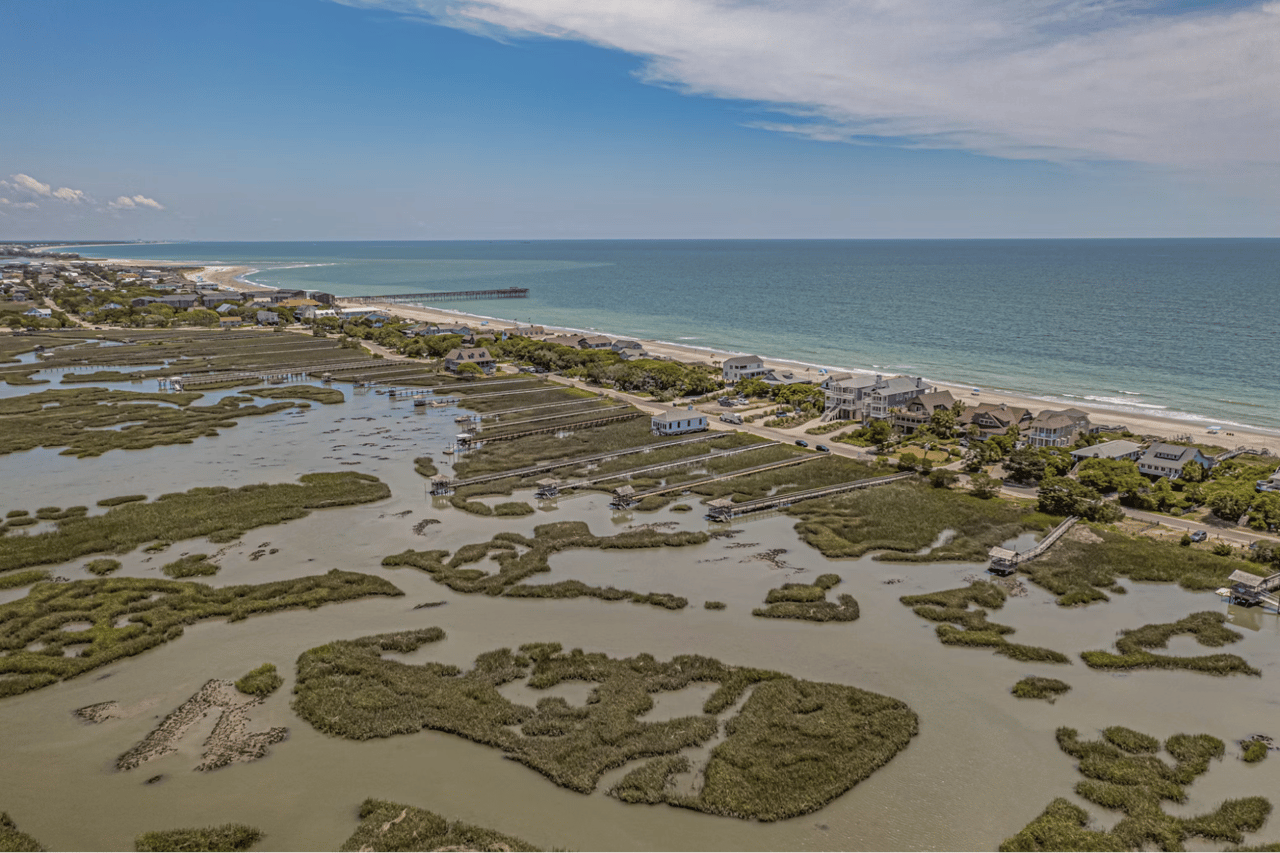
Many Pawleys Island properties border tidal creeks or marsh, and that waterfront access often comes with its own permitting layer entirely separate from the home purchase itself. This is worth investigating before assuming a dock is simply part of the deal.
What to Verify Before You Rely on Water Access
- Building a new dock on a tidal creek or marsh requires a permit from OCRM, a process that includes a public notice period and typically takes 60 to 90 days
- If a property already has a dock, confirm whether its existing permit is valid and transfers properly to a new owner
- Marsh-front and creek-front lots carry their own critical line designations, separate from the beachfront lines that apply to oceanfront property
- Factoring this permitting timeline into your plans matters especially if dock or marsh access is a primary reason you're considering a specific property
Verifying these permits early, rather than assuming water access comes automatically with a waterfront lot, prevents a real disappointment after you've already closed.
Frequently Asked Questions
Can I build new on an oceanfront lot anywhere on Pawleys Island?
Not necessarily. South Carolina's setback lines, which can exceed 100 feet on Pawleys Island due to erosion, restrict new habitable structures seaward of that line.
Do I need separate flood insurance if I already have homeowners insurance?
Generally yes. Flood insurance is typically a separate policy, and most lenders require it for homes in high-risk flood zones on a barrier island like this.
Does every waterfront property on Pawleys Island already have dock rights?
Not automatically. Building or maintaining a dock on a tidal creek or marsh requires its own OCRM permit, so confirming this before you buy is important.
Work With a Team That Understands Coastal Buying in Pawleys Island
The Taylor Keenan Team is your trusted partner for real estate in Pawleys Island and the greater Myrtle Beach area. Backed by local expertise, industry recognition, and a genuinely client-focused approach, we specialize in seamless, successful transactions whether you're buying, selling, or investing. Led by top-producing agents Taylor Keenan and Jim Burgess, we combine sharp market insight with strategic marketing and personalized service at every step. We're passionate about the Lowcountry lifestyle, and if you're ready to navigate a coastal purchase with confidence, we would love to help.