Are you weighing a Grande Dunes purchase or lease and wondering if private Ocean Club access really moves the needle? You’re not alone. Many investors and future sellers want to know whether a private beach club translates to higher rents, steadier occupancy, and a wider resale pool. In this guide, you’ll learn why the amenity can add value, what costs and rules can reduce it, and practical ways to measure the premium before you buy or price a listing. Let’s dive in.
What Ocean Club access really means
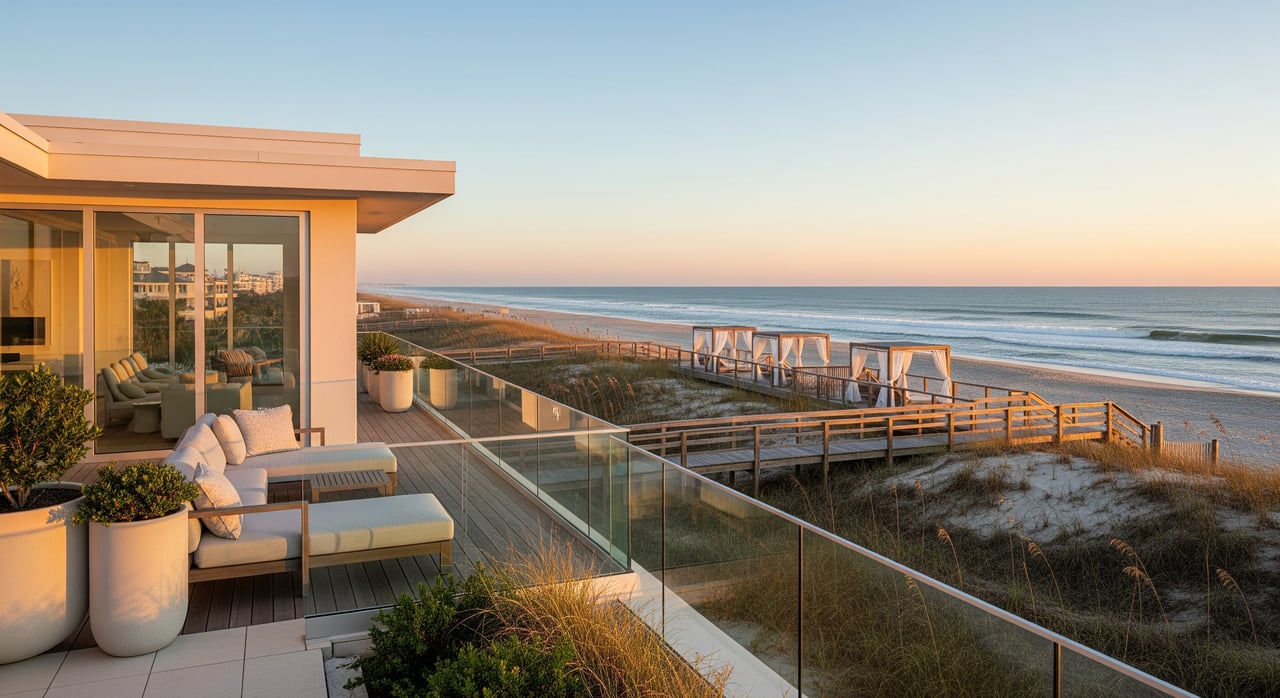
Ocean Club access in Grande Dunes is often marketed as a signature lifestyle benefit. It typically includes a private beachfront setting with managed facilities and services. The exact details can vary by neighborhood or building, so you should confirm current descriptions, membership rules, and access in the developer or association materials.
Before you underwrite a premium, verify whether access is automatic with ownership or tied to a membership. Also check if memberships are transferable, capped, or governed by rules that could change. The specifics live in the master deed, HOA bylaws, and any club membership agreement for the property you’re considering.
Why private beach access can lift demand
Private beach and club access differentiates a property in a crowded coastal market. It appeals to tenants who value convenience, privacy, and services they can use daily or seasonally. This demand channel can support higher asking rents and stronger renewal rates.
Supply can be limited if only a subset of homes or condos offer transferable or deeded access. A smaller pool of comparable units can support a premium when demand is steady. For landlords, a valued amenity can boost occupancy stability and lower turnover costs, which improves effective yield.
On resale, private, managed amenities can broaden your buyer pool to include lifestyle and second‑home buyers. That said, higher dues or membership fees may screen out price‑sensitive buyers. The net effect depends on the local balance of costs, rules, and demand.
Who values it most in Myrtle Beach
Grande Dunes draws a mix of tenant types for longer‑term leases: retirees and seasonal residents, professionals who commute regionally, higher‑income renters seeking a gated lifestyle, and households drawn to community amenities. Each group places a different weight on private beach access versus price and location.
Myrtle Beach has two distinct rental markets: short‑term vacation stays and longer‑term leases. Ocean Club access often matters more for longer‑term tenants who use the facilities weekly, as well as seasonal renters who commit for multi‑month stays. Use seasonality signals from the broader tourism market carefully, since short‑term performance does not substitute for long‑term lease comps.
Costs and rules that can erase the premium
Even if demand is strong, net results depend on costs and governance. Confirm these items upfront:
- Membership and access rules. Is access automatic, separately paid, transferable, or capped by the club or HOA?
- Leasing restrictions. Check minimum lease lengths, registration requirements, guest policies, and any limits on rental frequency.
- Transferability. Determine whether the right to use the club is deeded, a transferable membership, or an HOA privilege that could change.
- Ongoing fees. Budget for HOA dues, club dues, and any per‑use charges that affect your net operating income.
- Special assessments. Beachfront amenities can have higher capital needs, including erosion protection and major repairs. Review the HOA reserve study and financials.
- Insurance and taxes. Wind and flood insurance can be higher on the coast. Confirm flood zone status and any local assessments.
- Regulatory and environmental risk. Understand local rental registration or tax rules, coastal flood exposure, and lender underwriting for properties in flood zones.
How to measure the lifestyle premium
You can move beyond gut feel with a few practical methods that work in and around Grande Dunes.
Matched‑pair comparables
- Find near‑identical units where the key difference is club access.
- Compare rent or sale price per square foot and calculate the percentage difference.
- Adjust for view, condition, parking, and recent renovations. Report the range and sample size.
Hedonic regression
- Use a larger dataset across the submarket to control for unit attributes like size, age, view, floor, and distance to the beach.
- Include a variable for private ocean club access. The coefficient approximates the amenity premium.
- This is more rigorous but needs enough data to produce stable results.
Occupancy and retention analysis
- Compare occupancy rates, renewal rates, and turnover costs for properties with and without access.
- For seasonal tenants, track median lease length and vacancy days between leases.
- Higher retention improves effective yield even if the face rent premium is modest.
Cap‑rate translation and NPV
- Convert the observed rent premium into value: premium in monthly rent times 12, divided by the local market cap rate for similar assets.
- Subtract recurring costs like club dues and higher insurance to get the net premium.
- Consider whether perceived stability could support a lower cap rate on resale.
Survey and willingness‑to‑pay
- Poll local tenant and buyer pools to gauge stated willingness to pay for private beach access.
- Use survey findings to triangulate with comps and operating data.
Common pitfalls to avoid
- Small sample bias. Grande Dunes can have limited comparables. Expand to similar nearby communities, but document differences.
- Confounding amenities. Units with access may also have better views or locations. Control for these variables in your analysis.
- Ignoring fees and restrictions. Always net out dues and leasing rules when estimating the true premium.
Due diligence checklist before you buy or price
- Ownership vs membership. Confirm if access is deeded or membership‑based and whether it transfers to tenants.
- HOA rental rules. Minimum lease length, registration, guest policies, and any rental caps.
- HOA financials and reserves. Current dues, trends, reserve study status, and pending assessments.
- Comparable data. Collect MLS sales and rental comps that clearly note access or no access.
- Insurance quotes. Wind and flood coverage that reflect the building’s exposure.
- Flood risk. FEMA flood zone status, elevation certificates, and any history of flood claims.
- Local taxes and licensing. Know the rules for rental registration and local taxation.
- Marina and ancillary amenities. Boat slips, storage, and golf access each have separate costs and demand effects.
- Exit marketability. Identify buyer segments most likely to pay for the amenity and estimate the pool size.
Practical takeaways for investors and sellers
For investors:
- Start with matched‑pair rents and occupancy comparisons within Grande Dunes. Expand the search if samples are thin.
- Calculate the net rent premium after HOA and club dues, insurance, and expected turnover costs.
- Translate the net premium into value using a reasonable cap rate, then stress test for higher insurance or special assessments.
- Document membership transferability and rental policies in writing before closing.
For sellers:
- Highlight verified, transferable access and the low friction of using the club in your marketing.
- Present operating clarity up front: dues, rules, seasonality, and any policy changes on the horizon.
- Showcase retention or renewal history if you’ve leased the property long term.
Bottom line
Private Ocean Club access in Grande Dunes can boost rentability and broaden your resale pool, especially for lifestyle‑oriented tenants and seasonal residents. The size of the premium is local and conditional. You will get the best results when you verify the rules, net out the costs, and measure the effect with real comparables and occupancy data.
Ready to evaluate a specific property or build a data‑driven pricing plan? Start your Lowcountry search and strategy session with the team at Unknown Company.
FAQs
How does Ocean Club access affect long‑term leases in Grande Dunes?
- It can attract lifestyle‑oriented tenants and support higher renewal rates, which may improve effective yield, but results depend on fees, rules, and local comps.
What kind of rent premium should I expect for club access?
- Premiums are local and vary. Use matched‑pair comps and occupancy comparisons within Grande Dunes to estimate a range, then net out dues and insurance.
Are there leasing restrictions that impact rentability in Grande Dunes?
- Many associations set minimum lease lengths, tenant registration, and guest policies. Confirm the specific HOA or condo rules for the property you’re evaluating.
Do HOA and club dues offset the amenity premium?
- They can. Always calculate the net premium by subtracting HOA and club dues, higher coastal insurance, and expected turnover costs from the gross rent uplift.
How do I account for flood and storm risk when underwriting?
- Verify FEMA flood zone status, request elevation certificates if available, and get wind and flood insurance quotes that reflect the building’s exposure.
What is the best way to quantify the premium before I buy?
- Combine matched‑pair rent and sale comps, occupancy and renewal data, and a cap‑rate translation of the net premium. Use surveys to validate demand if needed.