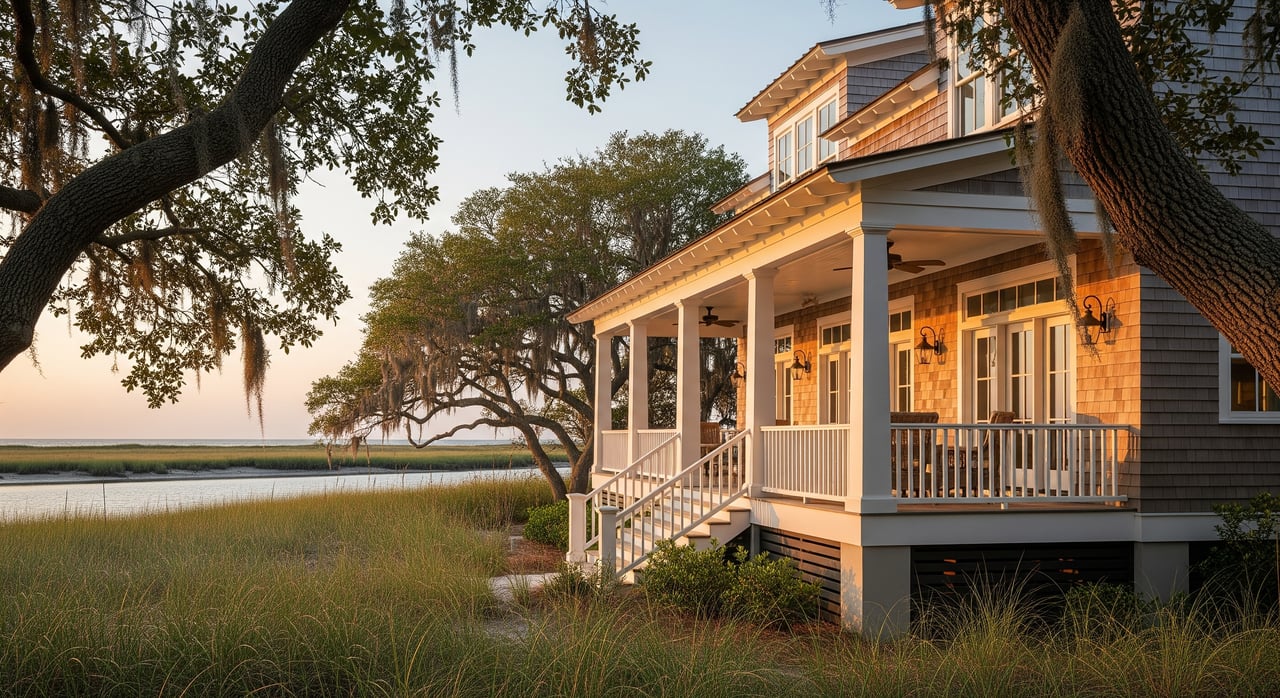
Dreaming about a beach place on Pawleys Island but not sure how the financing works for a second home? You’re not alone. Coastal homes come with extra rules, different loan choices, and insurance factors that can surprise even experienced buyers. This guide breaks down the basics so you can plan with confidence, compare options, and move forward without costly missteps. Let’s dive in.
Second home or investment property?
Lenders classify homes as a primary residence, second home, or investment. A true second home is for your personal use during parts of the year. An investment property is primarily for renting to others. Your plan affects down payment, rate, and underwriting.
If you plan short-term rentals, many lenders will treat the property as an investment even if you plan to visit often. That can mean higher down payments and stricter terms. Be clear with your lender about intended use from the start.
Your loan options in Pawleys Island
Conventional loans
Conventional financing is common for second homes. You’ll often see down payments in the 10 to 20 percent range, with rates slightly higher than a primary residence and lower than most investment loans. If you’re buying a condo, the association must meet project standards, including acceptable owner-occupancy levels and sound financials.
Government-backed loans
FHA, VA, and USDA programs are generally for primary residences, not second homes. If you need a true second-home loan, look at conventional, jumbo, or specialty options.
Jumbo loans
Many Pawleys Island homes are higher priced, which can push you over conforming loan limits. Jumbo loans typically require stronger credit, larger cash reserves, and down payments of 20 percent or more. Rates can be competitive depending on your profile.
Portfolio and non-QM options
Some banks and specialty lenders offer portfolio or non-qualified mortgage products that can handle more complex situations. If you plan notable short-term rental use, you may need a product that allows it. Debt-Service Coverage Ratio loans are designed for investors and base approval on property income instead of your personal income, but they often come with higher rates and larger down payments.
Using your current home’s equity
You can use a HELOC, home equity loan, or cash-out refinance on your primary residence to help fund your Pawleys purchase. Bridge loans can help you buy before selling, though they tend to cost more and are short term.
What it takes to qualify
Credit, down payment, and reserves
Second-home loans usually ask for stronger credit than primary homes. Many lenders want to see scores in the mid to high 600s or above, with the best pricing often at 700-plus. Down payments typically start around 10 percent for well-qualified buyers, but 20 percent is common. If the property will be rented, lenders may ask for 25 to 30 percent or more.
Expect higher cash reserve requirements. Six to twelve months of total housing payments is common for second homes, especially near the water. Investment loans can require more.
Debt-to-income and documentation
Your new mortgage will be included in your debt-to-income ratio. If you expect rental income to offset the payment, the lender will need documentation. Some allow market rent schedules or a history of rental income. Many will not count projected short-term rental income unless you use a specialized product.
Plan to provide W-2s or tax returns, recent pay stubs, bank statements, and ID. If rentals are part of the picture, you may also need leases, prior-year tax returns, or market rent data.
Appraisal, condition, and HOA review
Coastal properties undergo a standard appraisal. Lenders and insurers may also look for elevation certificates, wind mitigation features, and overall condition. For condos, the lender will review HOA budgets, bylaws, reserves, owner occupancy, and any litigation. Some projects do not meet conventional guidelines.
Insurance and coastal risk costs
Pawleys Island properties face flood and wind exposure. These risks affect both approval and long-term costs. It is smart to price insurance before you write an offer.
- Flood insurance: If the home is in a FEMA Special Flood Hazard Area, lenders require flood insurance. Even if it is outside the zone, coastal proximity can still mean meaningful premiums. Elevated homes and mitigation can help.
- Wind and hurricane: Standard homeowners policies may exclude wind or hail in certain coastal zones. You may need a separate windstorm policy. Mitigation upgrades like impact-rated openings can reduce premiums.
- Elevation and surveys: Lenders or insurers may request an elevation certificate, surveys, or proof of mitigation work. Older homes with non-elevated sleeping areas or non-compliant foundations can be harder to insure and finance.
- Systems and utilities: Some older shoreline homes rely on septic systems. Lenders may require inspection and proof of a functioning system.
Short-term rental rules to know
Local rules for short-term rentals can change. If rental income is part of your plan, verify current licensing, permitting, parking, and noise rules through the Town of Pawleys Island and Georgetown County. Operators typically collect and remit state and local accommodations taxes. These rules shape income potential and can affect lender acceptance of rental income.
Because lenders view frequent short-term rentals as higher risk, you may need a larger down payment or a product designed for investment use. Clarify your plan early so you choose the right loan path.
Condo and HOA considerations
Condo financing depends on the project’s eligibility. Lenders will evaluate:
- Owner-occupancy ratios and investor concentration
- Adequacy of reserves and budget health
- Insurance coverage for the master policy
- Any pending litigation or structural concerns
If a project is ineligible for conventional financing, you might need a larger down payment or a different loan type. Review HOA documents, budgets, and meeting notes early to avoid delays.
Smart planning and timeline
Start with pre-qualification from a lender experienced in coastal second homes. Define your use plan and target budget, then price insurance before you get serious about a property. If a condo is on your list, request the HOA package early. For homes near the water, ask for elevation data and recent insurance details when available.
A simple path looks like this:
- Pre-qualification and use plan
- Decide if your home is a second home or an investment. Share your plan with your lender.
- Get pre-qualified, then update your target price based on likely insurance costs.
- Property search and offer
- Narrow to areas and property types that fit your goals and financing path.
- Request HOA, elevation, and insurance information before finalizing your offer.
- Due diligence and underwriting
- Complete your home inspection and any specialty inspections for wind, flood, and septic.
- Provide updated documents to the lender and respond quickly to conditions.
- Final steps and closing
- Lock insurance coverage, including flood and wind if needed.
- Review title, HOA docs, and any rental restrictions.
Buyer checklist: documents and decisions
Prepare these items to streamline approval:
- Two years of tax returns and recent W-2s or 1099s
- Recent pay stubs and bank or asset statements
- Government ID and Social Security number
- Any current leases or rental history if applicable
- HOA bylaws, budgets, and condo project documents if applicable
Decide on the big questions early:
- Second home for personal use or investment with short-term rentals
- Conventional vs jumbo vs portfolio or DSCR
- Target down payment and reserve comfort level
- Insurance plan for flood and wind, including mitigation steps
- Condo vs single-family and your tolerance for HOA rules
Common pitfalls to avoid
- Underestimating insurance costs: Price flood and wind early. A lower premium can hinge on elevation and mitigation.
- Assuming projected short-term rental income will count: Many lenders will not count STR income without history or a specialized product.
- Overlooking condo eligibility: Some projects are not eligible for conventional financing. Ask for HOA packages upfront.
- Skipping key inspections: Coastal homes may need extra eyes on elevation, septic, wind mitigation, and shoreline conditions.
- Waiting to confirm local STR rules and taxes: Confirm licensing and accommodations tax rules with local authorities before you buy.
Make your Pawleys plan with a local team
A second home on Pawleys Island can be a smart lifestyle move if you set the right financing and insurance foundation. Clarify your use plan, match it to the right loan type, and get insurance quotes before you write an offer. With the right preparation, you can move from browsing to beach time with confidence.
If you’re ready to explore options, we’re here to help you compare neighborhoods, vet HOA and insurance details, and coordinate a smooth process from pre-qualification to closing. Start a conversation with the Taylor Keenan Team today.
FAQs
Can I use FHA or VA to buy a Pawleys Island second home?
- Generally no. FHA and VA are designed for primary residences, so most second-home buyers use conventional, jumbo, or specialty loans.
How much down payment do I need for a second home?
- Many buyers put down 10 to 20 percent for conventional loans, though 20 percent is common. Investment or short-term rental plans can require 25 to 30 percent or more.
Will lenders count short-term rental income on my application?
- Often not. Many lenders do not count projected STR income without history. Some portfolio or DSCR products can underwrite based on property income.
Do I need flood insurance for a Pawleys Island home?
- If the property is in a FEMA Special Flood Hazard Area and you have a federally regulated loan, flood insurance is required. It can still be wise outside the mapped zones because of coastal risk.
What makes condo financing tricky on the coast?
- Lenders review the condo project’s eligibility, including owner occupancy, reserves, insurance, and any litigation. Some projects are ineligible for conventional loans, which can change your financing path.