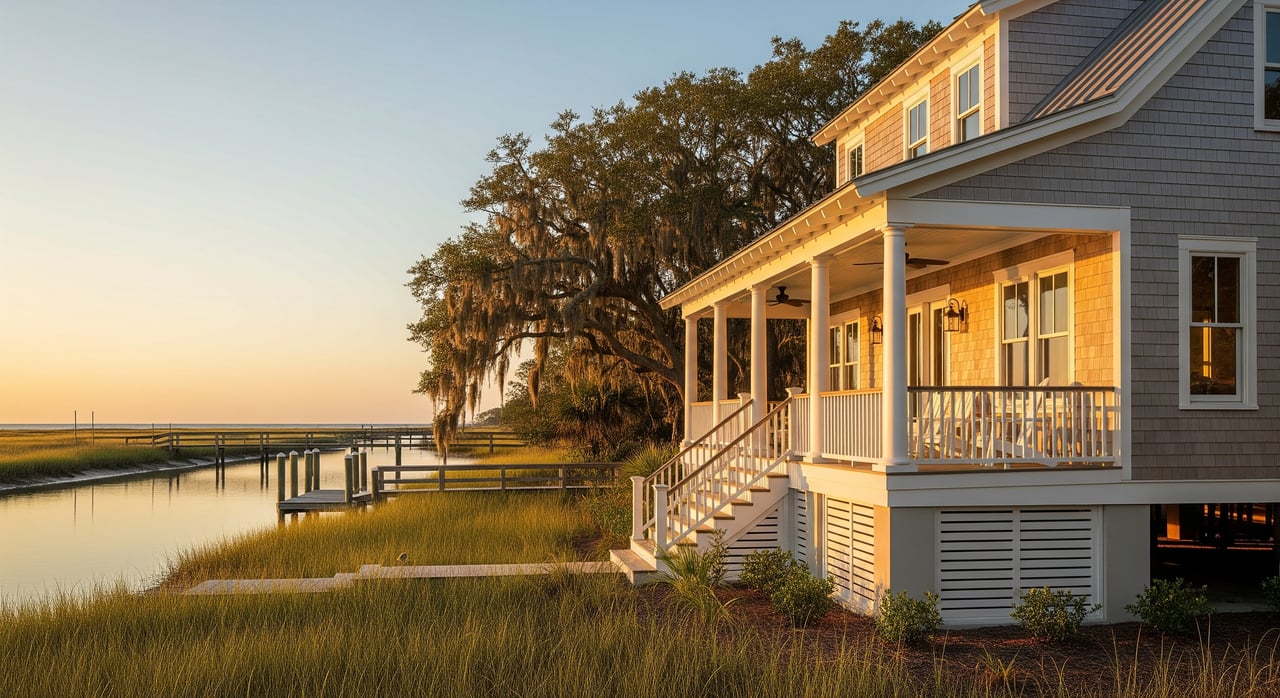
Thinking about a beach escape in Litchfield by the Sea but unsure how second-home insurance works on the South Carolina coast? You are not alone. Coastal policies can feel confusing, and the details matter when storms, floods, or HOA assessments enter the picture. In this guide, you will learn the basics that protect your budget and your peace of mind, from wind and flood coverage to condo loss assessments and rental rules. Let’s dive in.
Why coastal coverage differs here
Litchfield by the Sea sits on the Georgetown County coastline, which means insurers price in higher exposure to hurricanes, wind-driven rain, and storm surge. Flooding from storm surge or heavy rain is a major concern, and standard homeowner policies do not cover flood. Water intrusion can also lead to mold or mildew, which is often limited unless the damage is sudden and accidental. Salt air and wind can accelerate wear on roofs, windows, and exterior systems.
Coastal policies often use hurricane or named-storm deductibles that are a percentage of your dwelling coverage, commonly 1 to 5 percent. That is very different from a flat deductible and can significantly change your out-of-pocket expense after a storm. Some insurers limit coastal exposure or separate wind coverage from the base policy. Availability and pricing can vary by company and even by ZIP code.
Core coverages you need
Dwelling and valuation
Your policy should insure the structure for replacement cost, not actual cash value. Replacement cost helps you rebuild at today’s prices. Coastal rebuilds may require higher limits due to labor, materials, and code upgrades. If available, consider extended or guaranteed replacement cost endorsements to create a cushion if construction costs spike after a widespread storm.
Wind and hurricane deductibles
Wind coverage may be included with a separate hurricane or named-storm deductible, or it may be excluded and purchased separately. Ask how wind-driven rain, roof coverings, soffits, sheds, and other structures are treated. Confirm whether the deductible is a percentage and exactly when that percentage applies.
Flood insurance basics
Flood is not covered by standard homeowners or condo policies. If your property is in a FEMA Special Flood Hazard Area, your lender will require flood insurance. The National Flood Insurance Program typically offers up to $250,000 for the building and $100,000 for contents, while private flood carriers may provide higher limits or broader terms. Compare options, waiting periods, and how your elevation affects pricing.
Loss of Use
If a covered loss makes the home uninhabitable, Loss of Use (Additional Living Expense) covers reasonable living costs. For second homes, make sure the limit and time period are enough to bridge a longer coastal rebuild timeline.
Personal property and scheduled items
Second homes often hold fewer belongings, so check your Coverage C limits and adjust as needed. High-value items like jewelry or art usually need to be scheduled to avoid sublimits.
Liability and umbrella coverage
Standard policies often include $100,000 to $300,000 in personal liability coverage. If you plan to host guests or rent at any point, consider higher limits or an umbrella policy for added protection.
Ordinance or law
Coastal rebuilding often means meeting current building codes, including elevation and wind-resistance standards. Ordinance or law coverage helps cover the added cost to rebuild to code if your home is damaged.
Condo vs. detached in Litchfield by the Sea
Master policy and what it covers
Condo owners share coverage with the association’s master policy, which can be either bare walls-in or all-in/single entity. The master policy type dictates what you must insure inside your unit. Many coastal associations carry large wind or hurricane deductibles. When a storm hits, those deductibles can be assessed to unit owners.
Common gaps for condo owners
If your association’s master policy covers only the building shell and common elements, you are responsible for interior finishes, fixtures, and built-ins. Shared amenities like pools and landscaping can also drive assessments after a storm. Your personal loss assessment coverage can help fill the gap when the HOA assesses owners for deductibles or shortfalls.
Detached homes and unique exposures
Detached homeowners insure the entire structure and most site features. Outbuildings, fences, and other improvements need to be included if you want coverage. Elevation and floodplain status can affect both premiums and how you rebuild after a loss.
Loss assessment and HOA deductibles
Loss assessment coverage matters more on the coast because association deductibles for wind or hurricane are often a percentage of the community’s total insurable value. A single storm can lead to sizable per-unit assessments. Default loss assessment limits on HO-6 condo policies are often low, sometimes $1,000 to $10,000. Many owners in hurricane-exposed communities consider $25,000 to $100,000 based on the HOA’s deductible, building values, and the unit’s interior finishes. Always verify how the HOA allocates deductibles and what the master policy covers.
Second-home and rental rules
Occupancy and vacancy
Insurers treat second homes and rentals as higher risk than primary residences. Policies often include vacancy limits that restrict how long a property can sit unoccupied before certain coverages are reduced. Some carriers require periodic inspections when a home is vacant. Ask your insurer how vacancy is defined and what documentation is needed.
Renting your property
Occasional rental use may be allowed with the right endorsement, but frequent short-term rentals typically require a landlord (DP-3) or commercial policy designed for rentals. Short-term rental operations often need specialized liability coverage. Clarify whether your policy allows short-term rentals and what triggers a change in policy type.
Liability and umbrellas for rentals
If you will host renters or frequent guests, consider higher liability limits and an umbrella policy. Verify that your personal policy does not exclude business activities related to rentals.
Premium drivers and mitigation
Coastal premiums reflect risk from wind and flood, as well as vacancy and rental use. You can often lower costs by investing in mitigation. Impact-rated windows, storm shutters, reinforced roof systems, and hurricane straps may qualify for discounts. Elevating utilities and securing an elevation certificate can reduce flood premiums. Community-wide measures and participation in FEMA’s Community Rating System can also influence pricing.
Questions to ask before you buy
Ask insurers or agents
- Is windstorm or hurricane damage covered, and what deductibles apply? Are they a percentage or a flat dollar amount?
- Is wind excluded and available only through a separate policy?
- Is the dwelling insured at replacement cost? Are extended or guaranteed replacement cost options available?
- Are second homes or short-term rentals treated differently? What are the vacancy limits?
- What flood insurance options are available, and what are the waiting periods?
- Which endorsements do you recommend for this property, such as ordinance and law, loss assessment, sewer backup, or rental-related coverage?
- What mitigation credits are available, and what documentation is required?
Ask the HOA or condominium association
- Is the master policy bare walls-in or all-in, and what areas are unit-owner responsibilities?
- What is the master policy deductible for wind or hurricane, and how is it assessed to owners?
- What are the current reserves, and has the association levied assessments after past storms?
- Does the HOA require owners to carry certain limits or endorsements?
Ask property managers (if renting)
- Do you perform regular inspections during vacancy periods and document them?
- What are your storm preparation and post-storm procedures?
- Do you require specific liability or insurance limits from owners?
Three smart steps before closing
- Review the HOA master policy, declarations, and assessment history to understand owner responsibilities and deductibles.
- Get written quotes that list wind and hurricane deductibles, flood requirements, and all occupancy or rental rules.
- Plan for loss assessment exposure and consider endorsements and mitigation that reduce both risk and premium.
What this means for your budget
You should plan for higher coastal premiums than inland markets and budget for a percentage hurricane deductible. If you own a condo, prepare for possible loss assessments after major storms. Add flood insurance to your plan even if a lender does not require it. With the right mix of coverage, endorsements, and mitigation, you can protect your investment and create a more predictable ownership experience.
If you want a local, practical perspective as you evaluate properties in Litchfield by the Sea, the Taylor Keenan Team is here to help you compare HOA documents, policy options, and risk tradeoffs so you can buy with confidence.
FAQs
What insurance do I need for a Litchfield by the Sea condo?
- Start with an HO-6 policy for interiors and personal property, add sufficient loss assessment coverage, confirm the master policy type, and consider flood insurance.
Do I need flood insurance if my lender does not require it?
- Yes, it is strongly recommended on the coast because standard homeowners and HO-6 policies exclude flood, and storm surge or heavy rain can cause significant damage.
How do hurricane deductibles work in South Carolina?
- Many coastal policies use a percentage deductible, often 1 to 5 percent of Coverage A, that applies when damage comes from a named storm or hurricane.
Can I use Airbnb or short-term rentals and stay covered?
- Frequent short-term rentals usually require a landlord or commercial policy with specialized liability; occasional rentals may need a specific endorsement.
What is loss assessment coverage for condo owners?
- It helps pay your share of HOA-assessed costs such as master policy deductibles or shortfalls after a covered loss, which can be substantial after a storm.
How can I lower coastal insurance premiums?
- Invest in mitigation like impact windows, shutters, reinforced roofing, and elevation documentation, and ask your insurer about available credits and required proof.