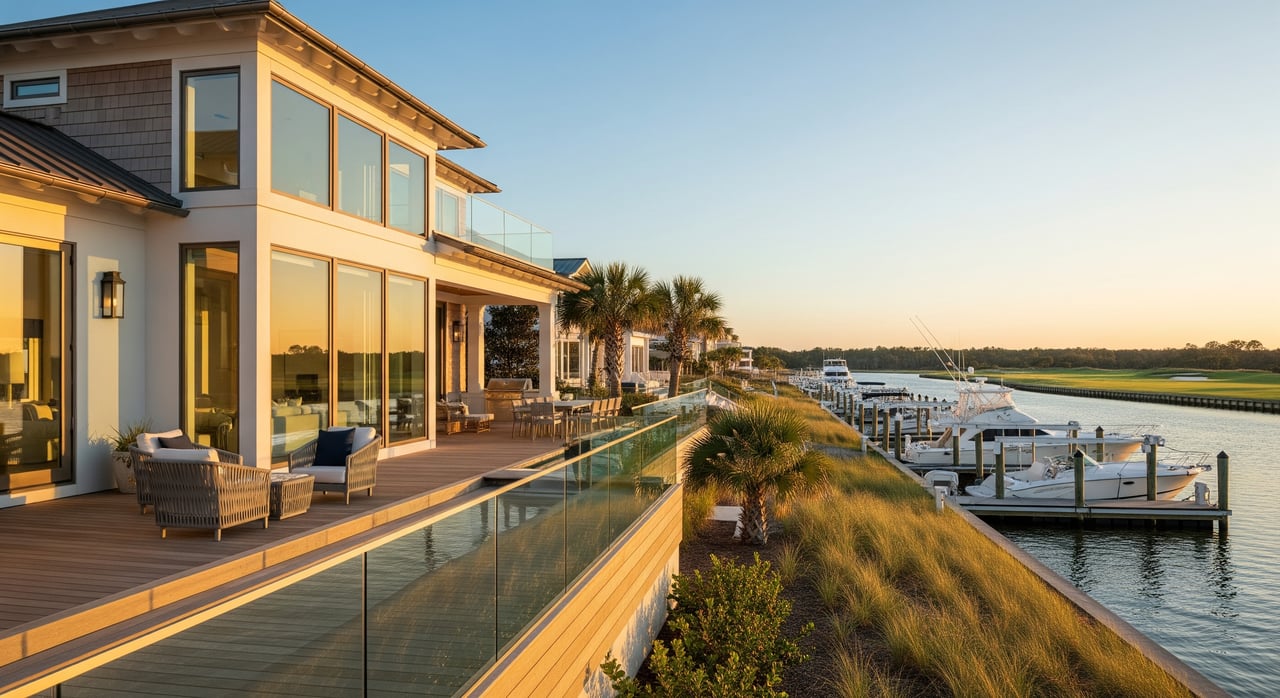
Dreaming about a place in Grande Dunes where you can spend long weekends and summer breaks? Financing a second home on the coast works a little differently than buying your primary residence. The right loan strategy can save you time, money, and stress. In this guide, you’ll learn which loans fit second homes, what lenders expect, and the local factors in Myrtle Beach that can impact approval and cost. Let’s dive in.
Second-home basics
A second home is a one-unit property you occupy for part of the year and keep under your control. It is not a timeshare and is not primarily operated as a rental. Lenders follow rules that distinguish second homes from both primary residences and investment properties, as outlined in the Fannie Mae guide on occupancy types.
Government-backed programs like FHA, USDA, and VA are generally for primary residences. USDA specifically disallows second-home use, so most Grande Dunes buyers use conventional or jumbo financing instead. You can review USDA’s occupancy guidance here.
Your loan options
Conventional second-home loans
Most second-home purchases use conventional loans. Lenders look for strong credit, stable income, and a down payment that often starts around 10 percent, with many scenarios pricing best at 15 to 20 percent. You will also need verified cash reserves after closing. Fannie Mae’s guidance typically requires at least two months of PITIA reserves for second homes, with more if you own additional financed properties; see the minimum reserve requirements.
Be upfront about any rental plans. If short-term renting is central to your strategy, the lender may treat the home as an investment property, which changes terms and pricing. The second-home definition also requires the property be under your control without a management agreement that limits your use, per Fannie Mae occupancy rules.
Jumbo loans in Horry County
If your loan amount exceeds the local conforming limit, it becomes a jumbo loan. The baseline one-unit conforming limit for 2025 is $806,500, according to the FHFA. Many luxury homes and some condos in Grande Dunes may require jumbo financing.
Jumbo underwriting is typically tighter: higher credit score expectations, larger down payments, more reserves, and lower debt-to-income ratios. Rates can also be a bit higher than conforming loans. Here is a helpful overview of jumbo versus conventional mortgages.
Grande Dunes factors that affect approval
HOA and condo rules
Grande Dunes includes gated sections, luxury condos, and sub-associations with their own covenants. Rental rules, amenity passes, and any mandatory management programs can affect loan eligibility for a second home. For condos, lenders also review project “warrantability,” including reserves, occupancy ratios, and litigation. Plan to collect declarations, bylaws, budgets, and meeting minutes early; projects with heavy short-term rental activity can face restrictions. Lenders follow Fannie Mae criteria when evaluating occupancy and project considerations.
Short-term rental zoning and taxes
Myrtle Beach treats short-term rentals as a regulated use with limits by zoning district. If you plan to rent, confirm zoning, permits, a business license, and required state and local lodging taxes. Rules vary across the Grand Strand, so check the latest local guidance on South Carolina short-term rentals here.
Flood and coastal wind insurance
Parts of the Grand Strand lie in FEMA Special Flood Hazard Areas. Lenders will require flood insurance if the property is in an SFHA; some may also require coverage outside those zones. Learn how lenders handle flood requirements from this flood insurance FAQ.
Coastal wind and hail coverage is another key cost. In Horry County, some properties use the South Carolina Wind and Hail Underwriting Association, often called the state wind pool, when private coverage is limited. Get familiar with how the wind pool works on the SCWHUA site. Home policies here commonly have hurricane or wind deductibles set as a percentage of dwelling coverage, which can materially impact your budget; see an overview of South Carolina homeowners insurance considerations here.
What it really costs each month
Budget for the full picture: principal and interest, property taxes, homeowners insurance, HOA or condo dues, wind and hail coverage, and flood insurance where required. Lenders qualify you using the full PITIA payment, so higher coastal insurance costs can affect your debt-to-income ratio. Remember, you also need post-closing reserves that meet lender guidelines. Planning for these line items early keeps your search on track.
Step-by-step game plan
- Get prequalified with a lender that does second homes and jumbos. Ask about down payment, reserves, condo project rules, and how they classify short-term rental plans.
- Request HOA and condo documents upfront. Review rental policies, amenity access, budgets, reserves, and any pending litigation.
- Order a flood zone check and collect quotes for homeowners, wind and hail, and flood insurance from a coastal-savvy agent.
- Confirm zoning, licensing, and lodging tax obligations if you may rent. Myrtle Beach and nearby jurisdictions can differ.
- Gather financials: bank and brokerage statements for reserves, income docs, and a list of other financed properties.
- If buying a condo, start the lender’s project review early. This step can add time to your closing.
Avoid these pitfalls
- Minimizing reserves. Many buyers underestimate how much cash they need after closing. Review Fannie Mae’s reserve requirements and verify your lender’s overlays.
- Assuming government loans will work. Programs like USDA and FHA are designed for primary residences, not vacation homes. See USDA occupancy guidance here.
- Overlooking HOA and zoning details. A property can be second-home eligible for lending but restricted for short-term renting. Confirm all three lanes: lender, HOA, and local rules.
- Delaying insurance quotes. Wind and flood premiums and deductibles can change your approval and monthly costs.
Thinking about a second home in Grande Dunes? You deserve tailored guidance that blends local insight with a clear loan strategy. For neighborhood-by-neighborhood advice and a smooth plan from offer to closing, connect with the Taylor Keenan Team.
FAQs
Can you use FHA, VA, or USDA for a Grande Dunes vacation home?
- Generally no. These programs are for primary residences, and USDA explicitly disallows second homes; plan on conventional or jumbo financing instead.
How much down payment is typical for a second home in Myrtle Beach?
- Many lenders allow around 10 percent in favorable cases, but 15 to 20 percent is common for stronger pricing and profiles; jumbo loans often require more.
How many months of reserves will lenders want for a second home?
- Expect at least two months of PITIA under Fannie Mae’s framework, with more required if you own additional financed properties or use a jumbo program.
What counts as a jumbo loan amount in Horry County?
- For 2025, one-unit loans above the baseline conforming limit of $806,500 are typically jumbo and follow stricter credit, reserve, and down payment standards.
Will flood or wind insurance be required in Myrtle Beach?
- Flood insurance is required if the property is in a FEMA Special Flood Hazard Area, and coastal homes often need separate wind and hail coverage.
Can I rent my Grande Dunes home when I am not using it?
- Occasional personal use may be fine, but frequent short-term renting can reclassify the loan as investment; also confirm HOA rules and local licensing and tax requirements.