Explore
Georgetown is a historic waterfront city of about 8,800 residents on the Sampit River near Winyah Bay, South Carolina, ZIP code 29440, and the third-oldest city in the state after Charleston and Beaufort. Founded in 1729, its six-block downtown holds more than 60 properties on the National Register of Historic Places, and the beaches of Pawleys Island sit about 11 miles north.
Quick Facts | Detail |
|---|---|
ZIP Code | 29440 |
County | Georgetown County, South Carolina (county seat) |
Population | Approximately 8,800 within city limits (2020 Census: 8,386), covering 6.92 square miles |
Median Home Value | Average home value around $250,000 citywide (Zillow), with active listing prices commonly in the $300,000s to $400,000s depending on neighborhood |
School District | Georgetown County School District |
Georgetown's historic downtown homes and waterfront properties move at their own pace, but well-priced listings near Front Street don't sit long. Search current listings or contact a local agent for a personal tour.
Founded in 1729, South Carolina's third-oldest city sits where the Sampit River meets Winyah Bay
Georgetown became an official port of entry in 1732, three years after its founding, and grew into a major hub for the region's indigo and rice economy through the nineteenth century. That prosperity depended heavily on the agricultural expertise and forced labor of enslaved Africans and African Americans, particularly in tidal rice cultivation, a history the city's museums and Gullah Geechee Cultural Heritage Corridor programming actively interpret today.
The city sits at the convergence of the Sampit River, Winyah Bay, and the larger Waccamaw, Black, and Great Pee Dee river systems, a setting that shaped its development as a port and still defines its boating, fishing, and waterfront lifestyle. Downtown, more than 60 buildings carry National Register of Historic Places status, spanning Colonial, Federal, Greek Revival, and Victorian architecture along oak-lined streets.
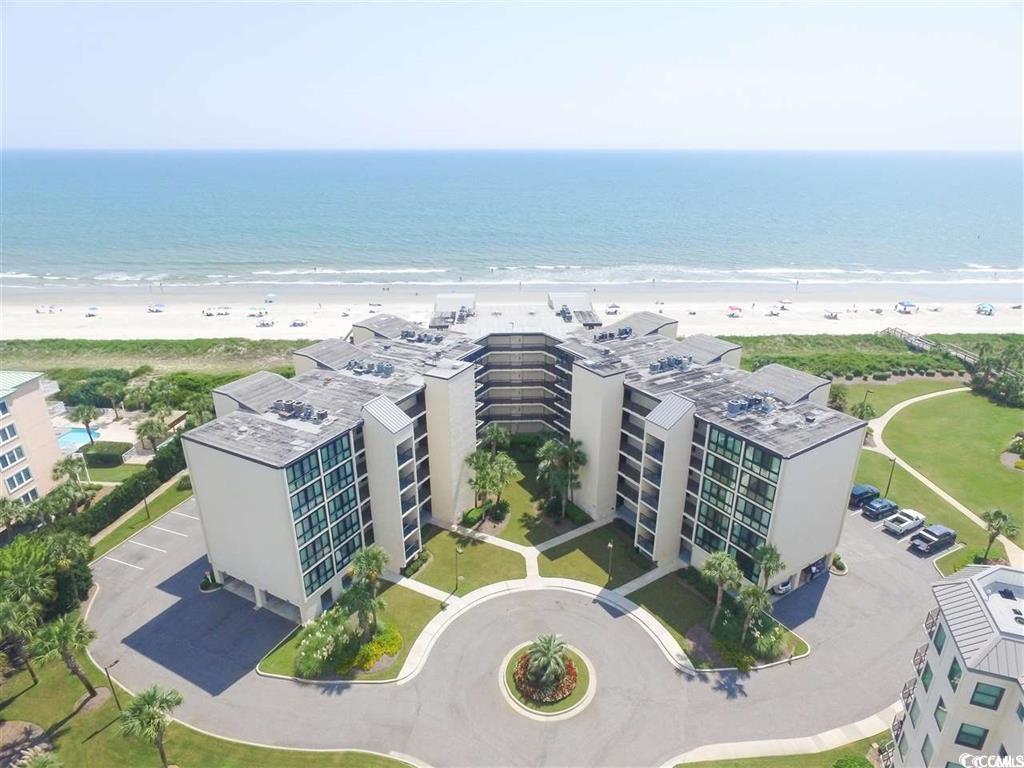
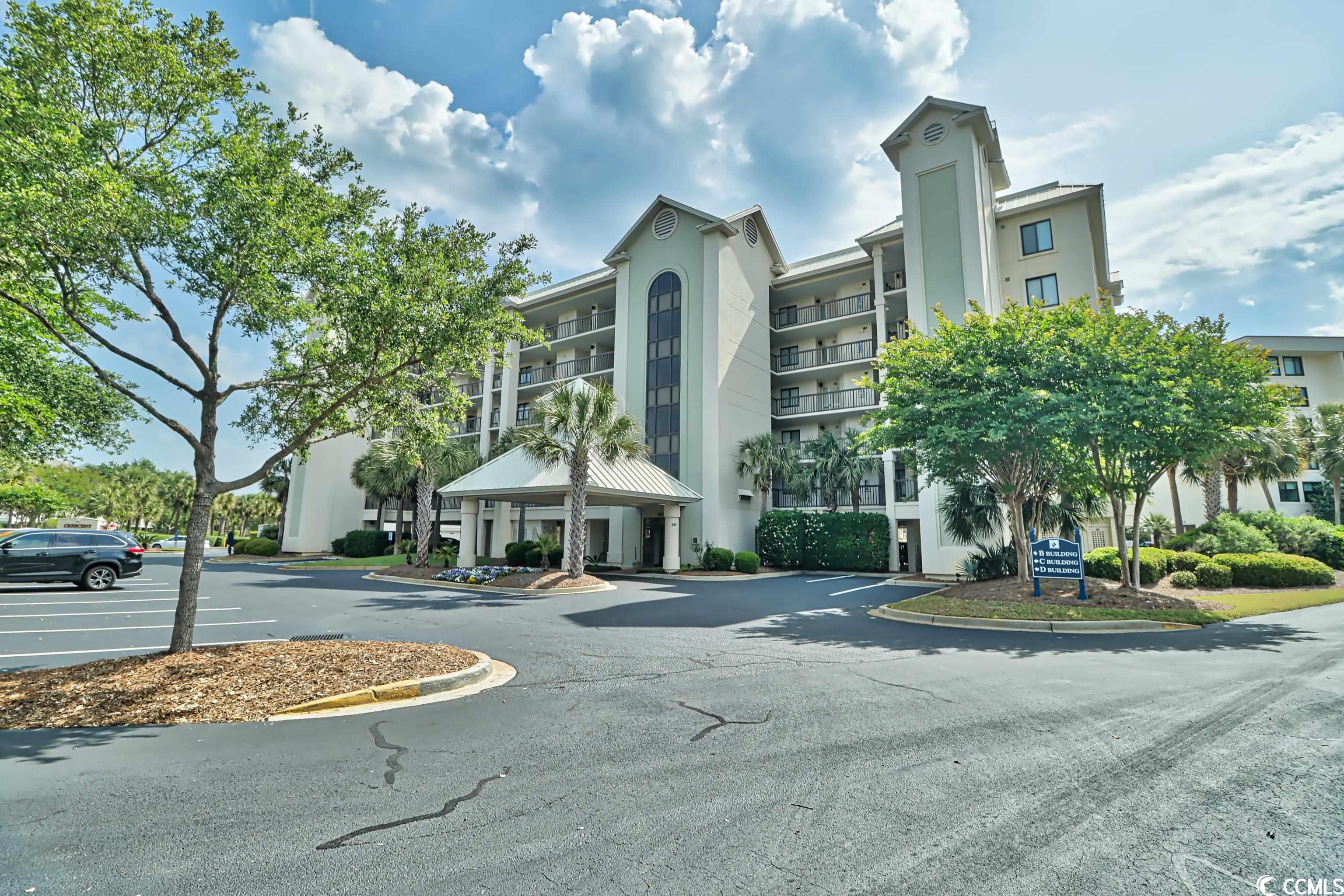
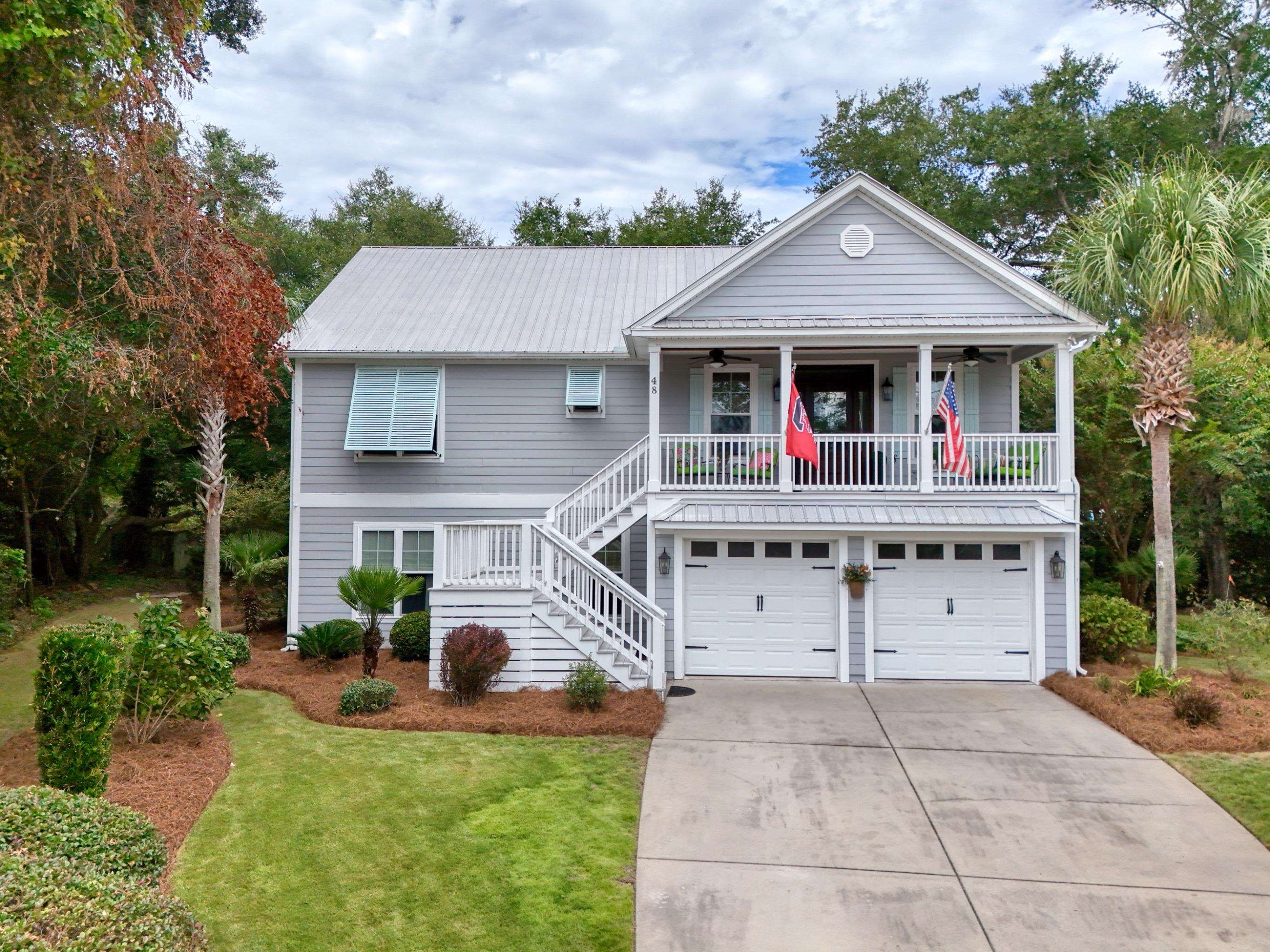
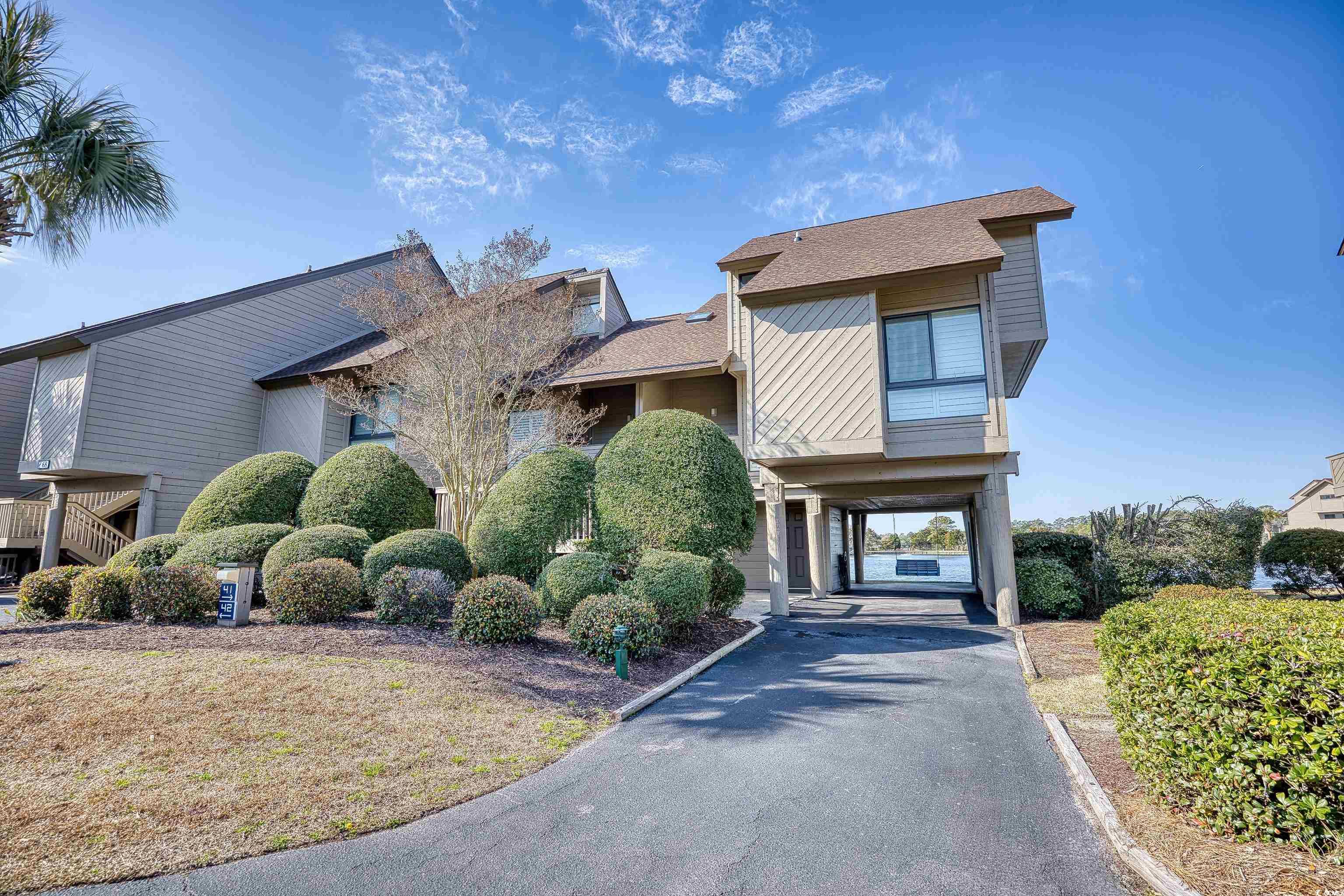
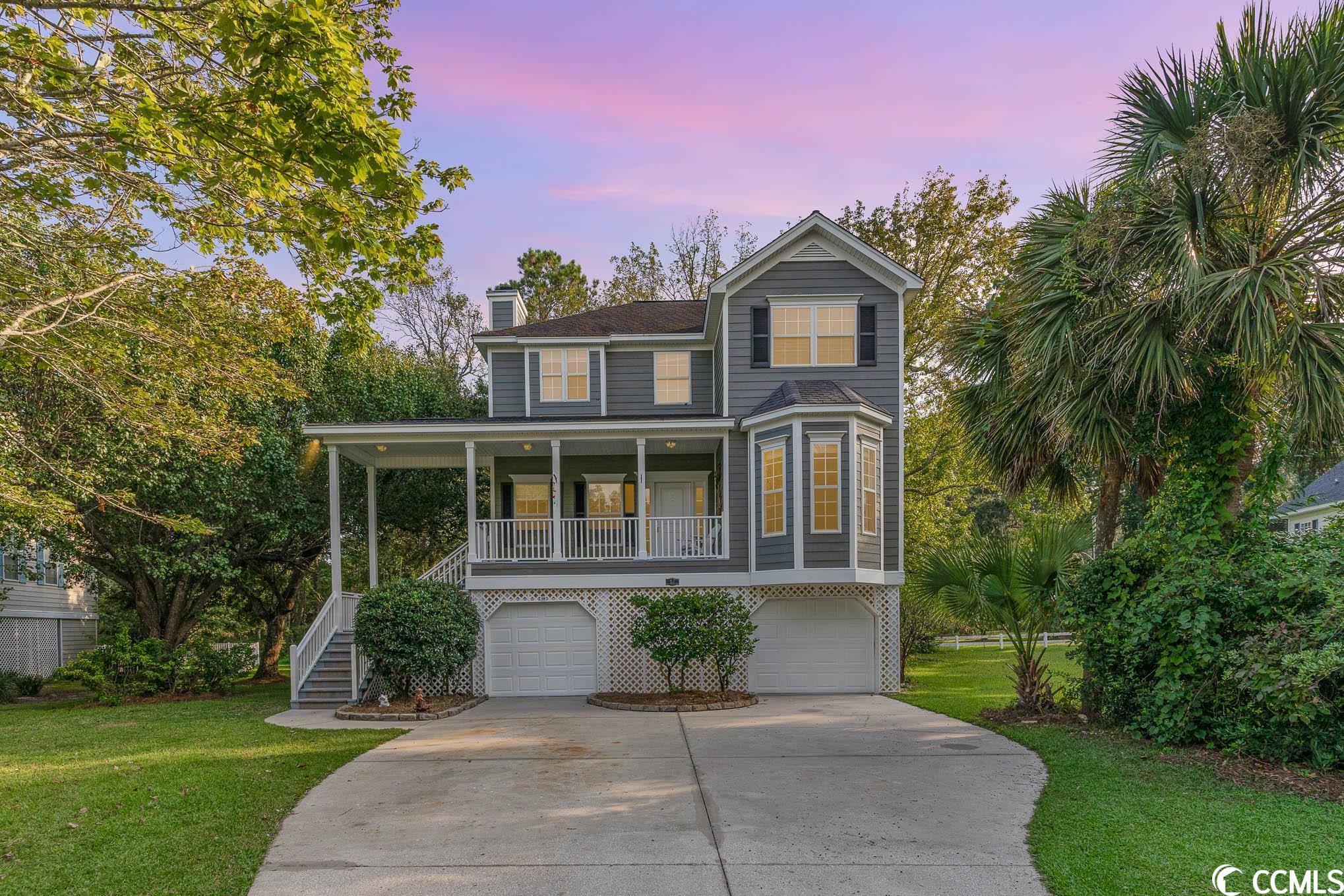
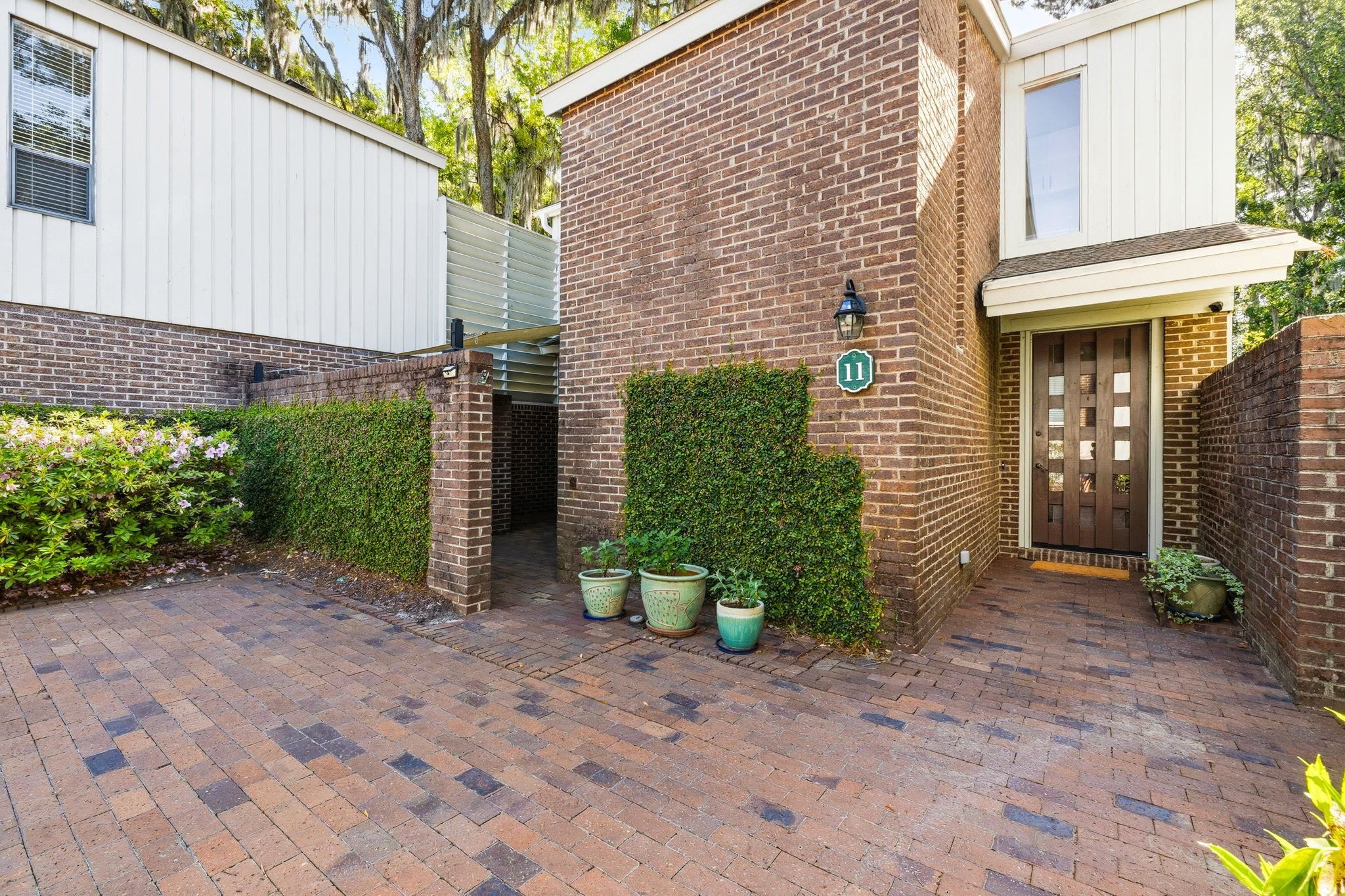
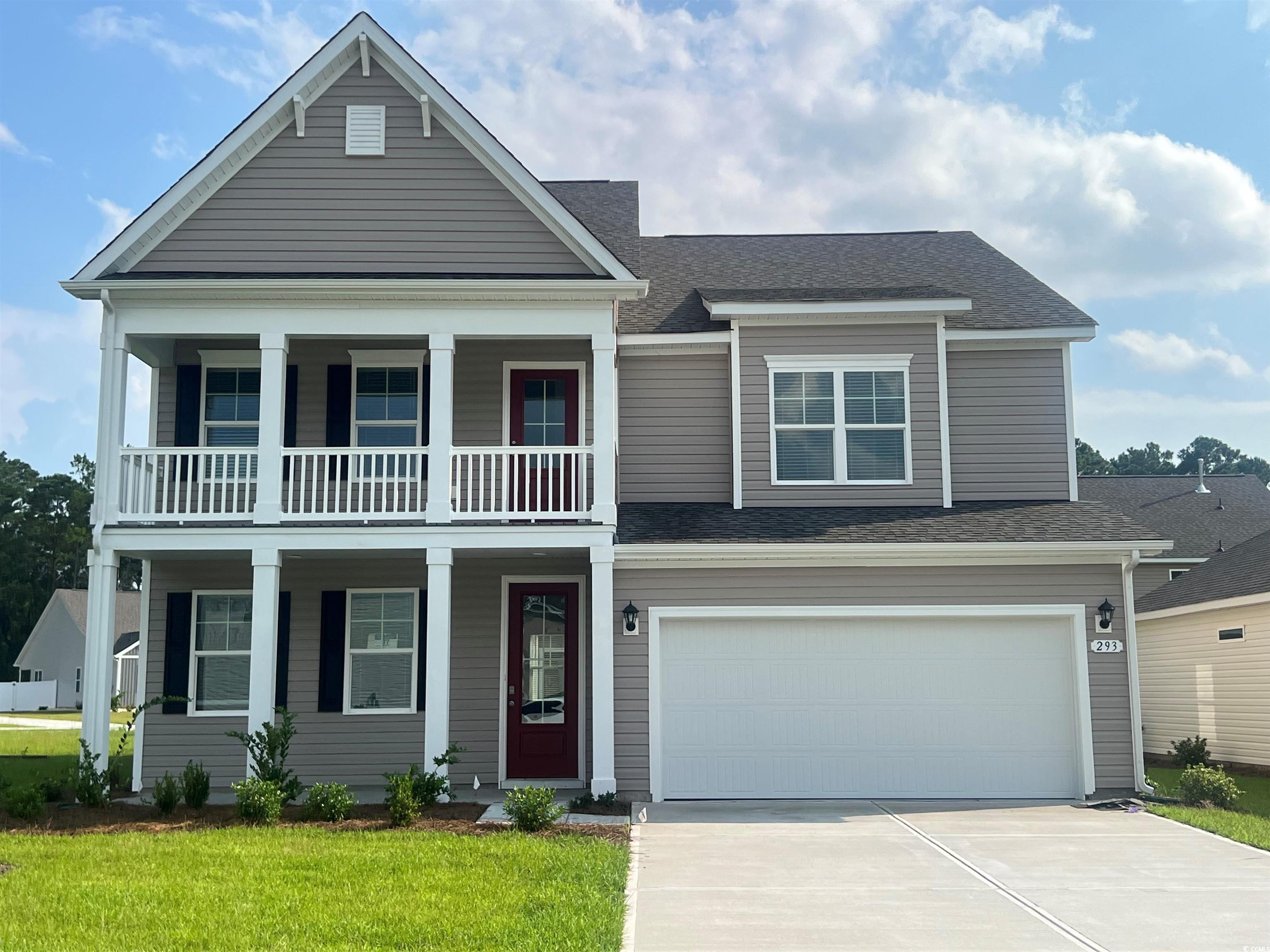
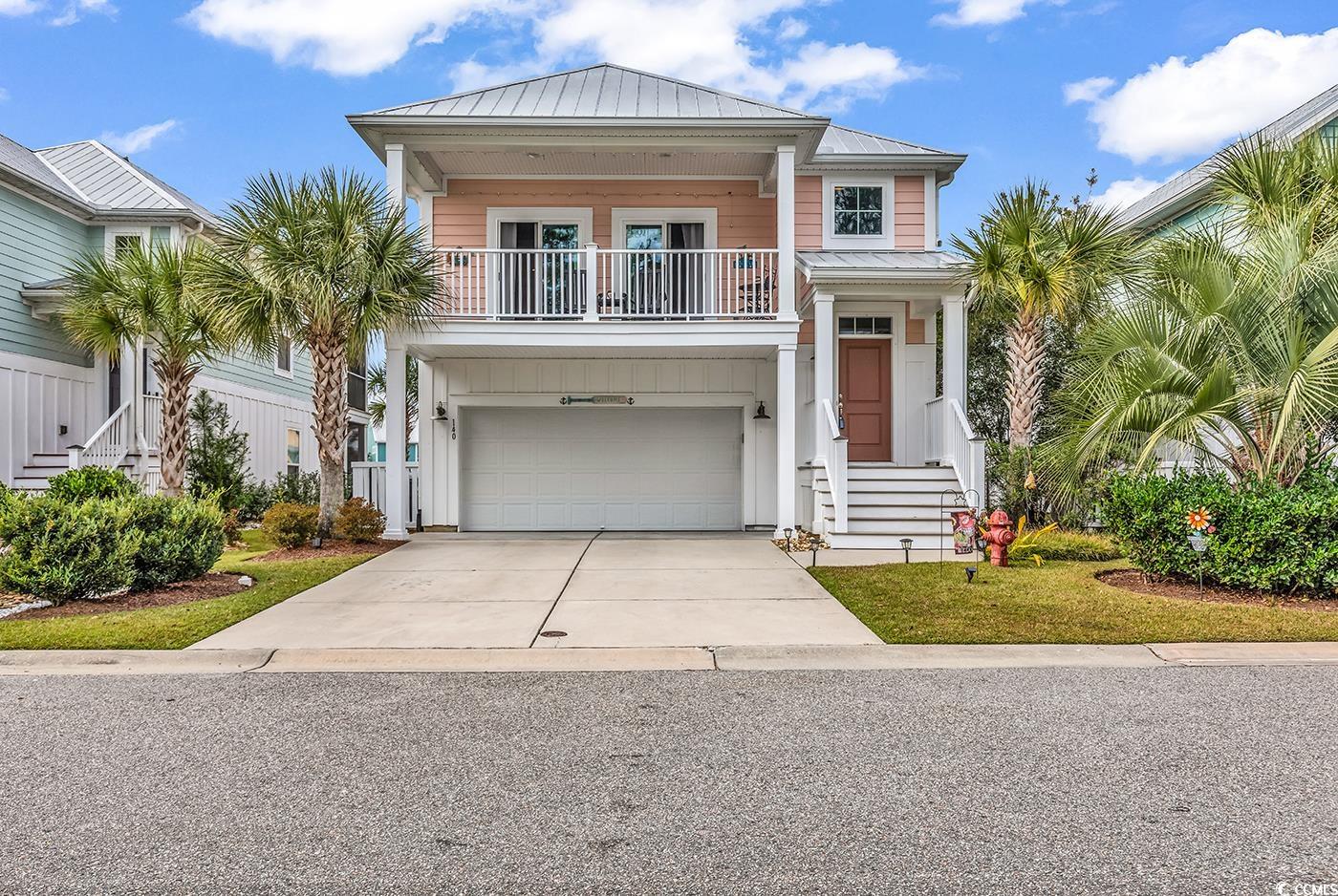
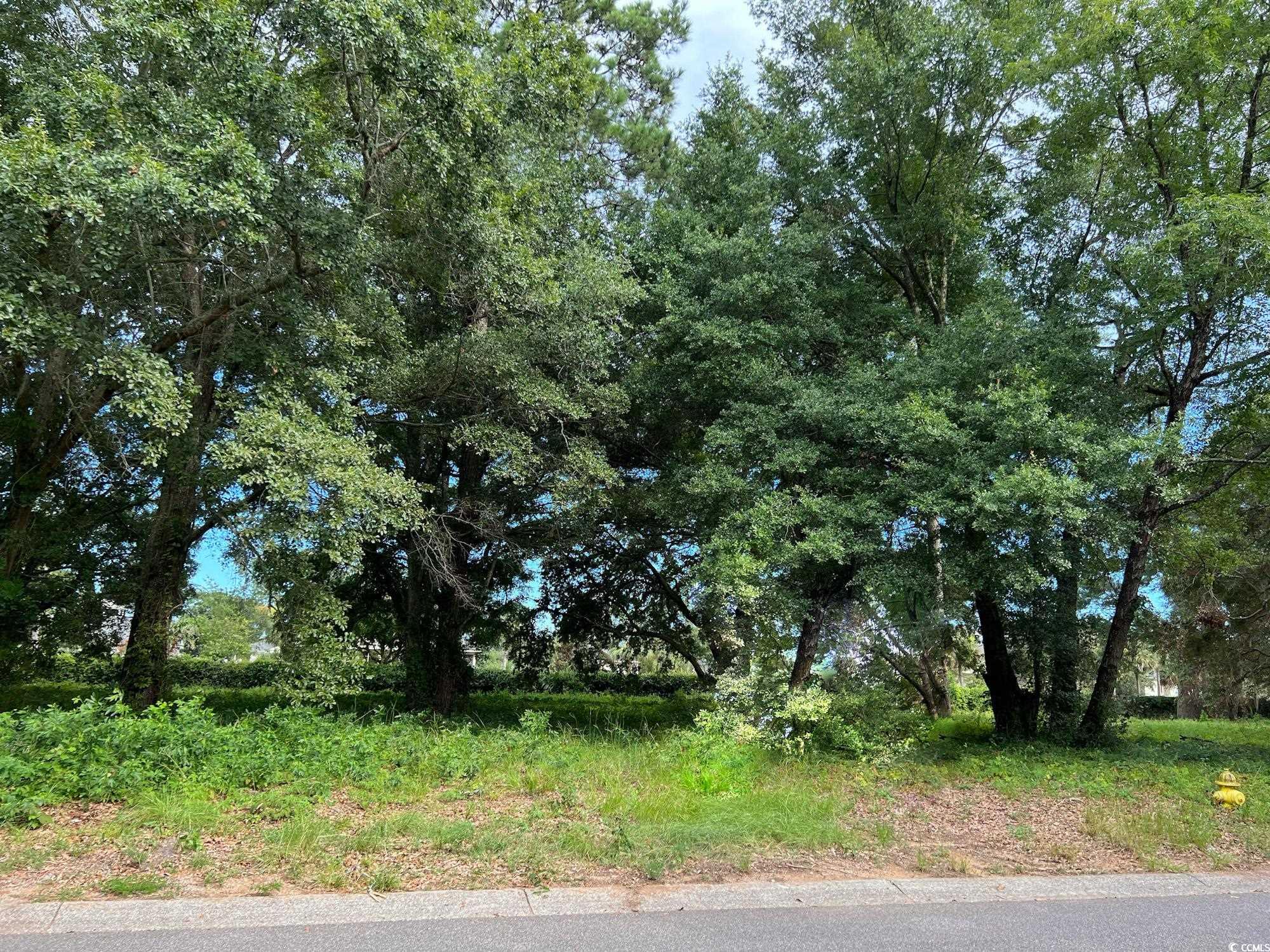
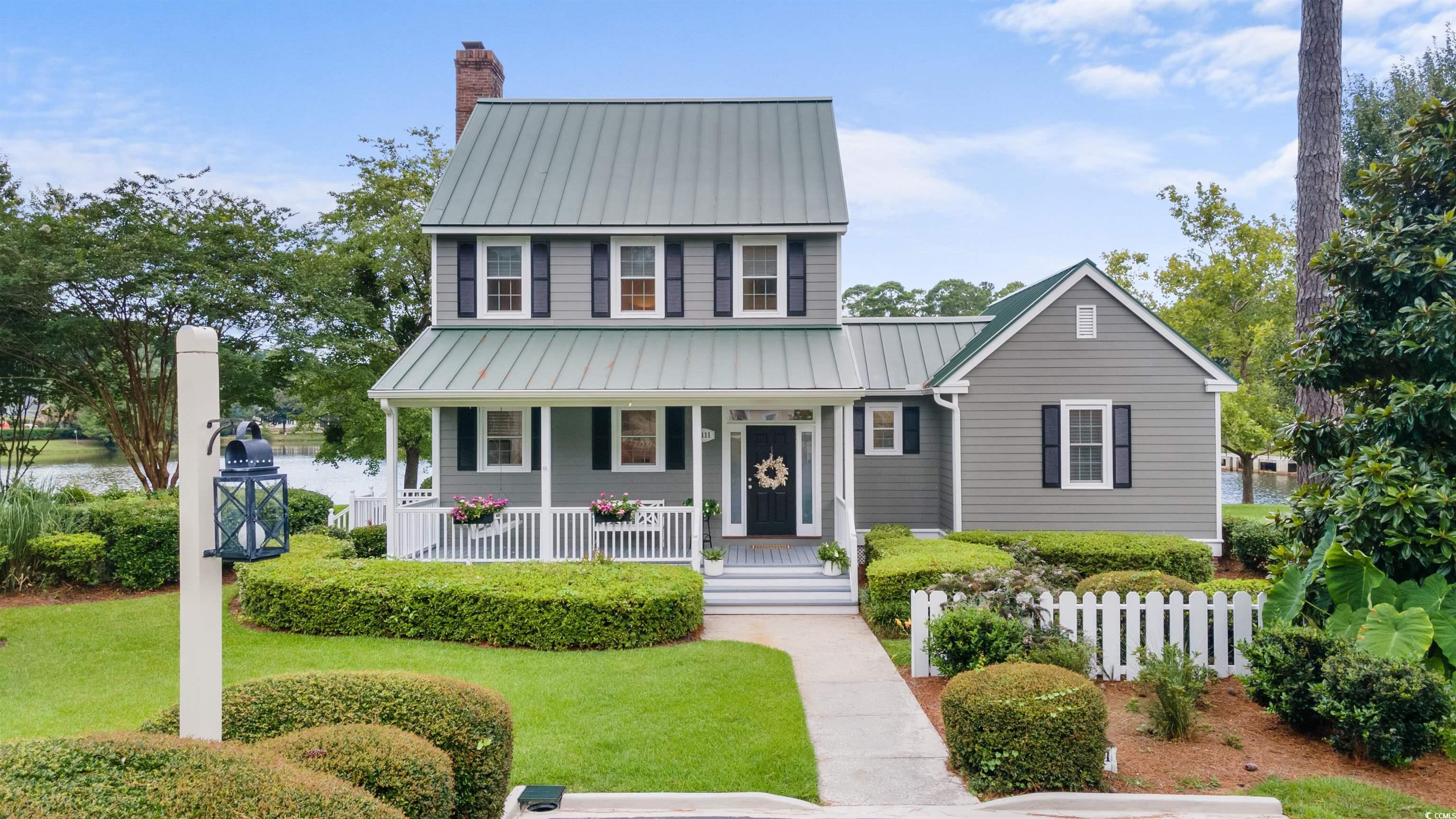
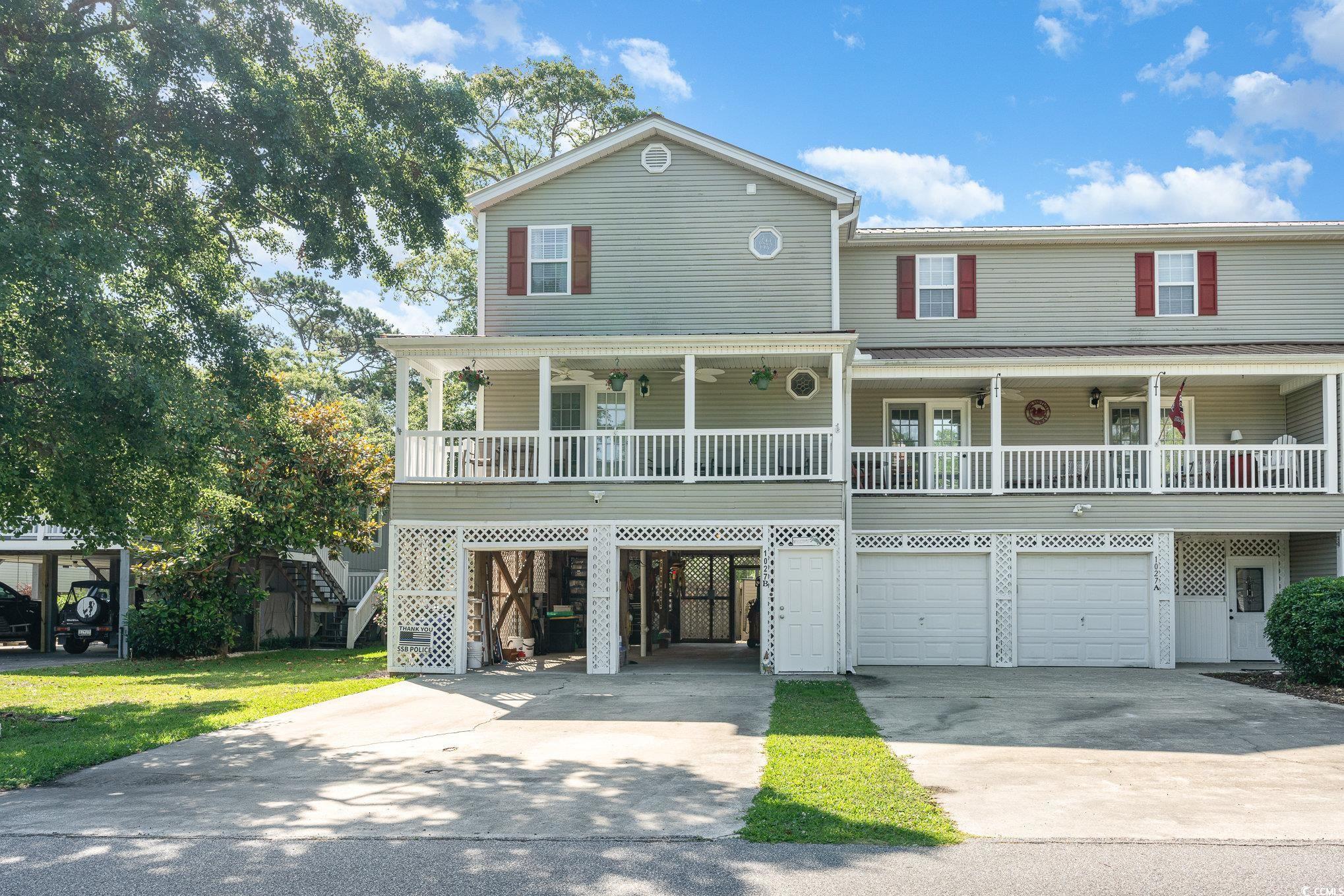
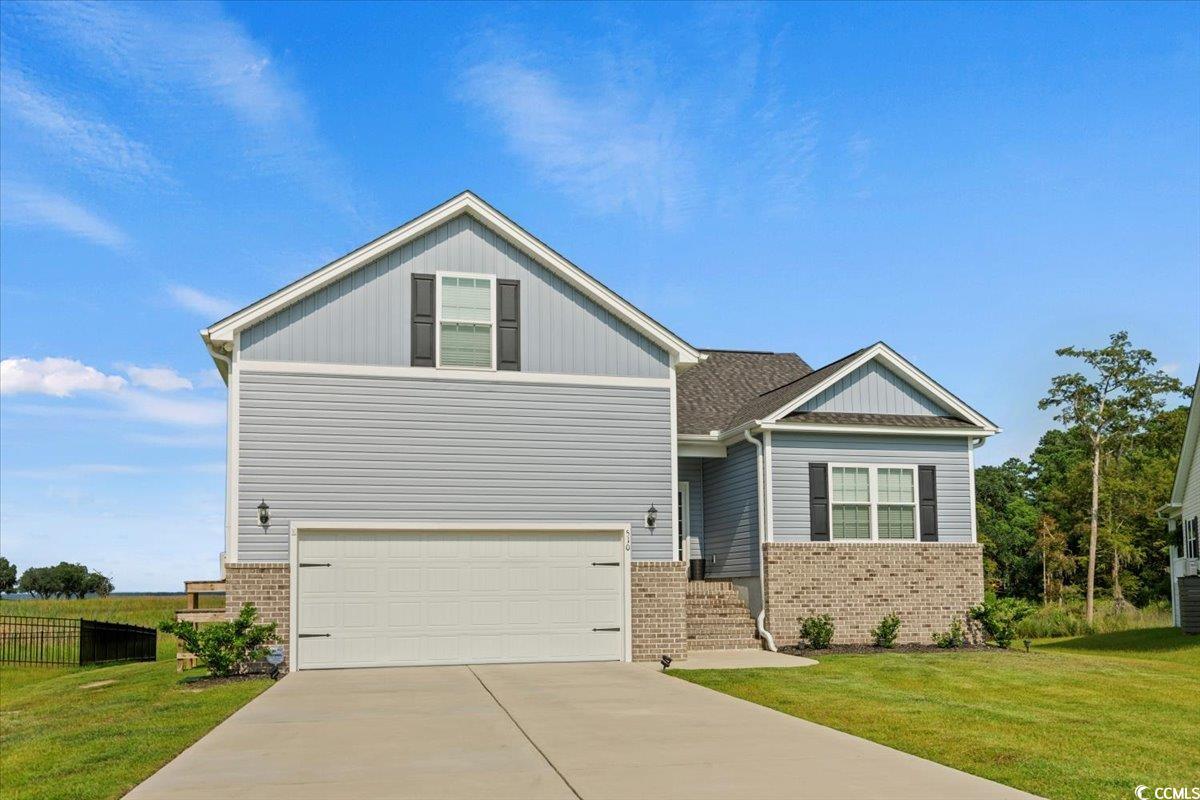
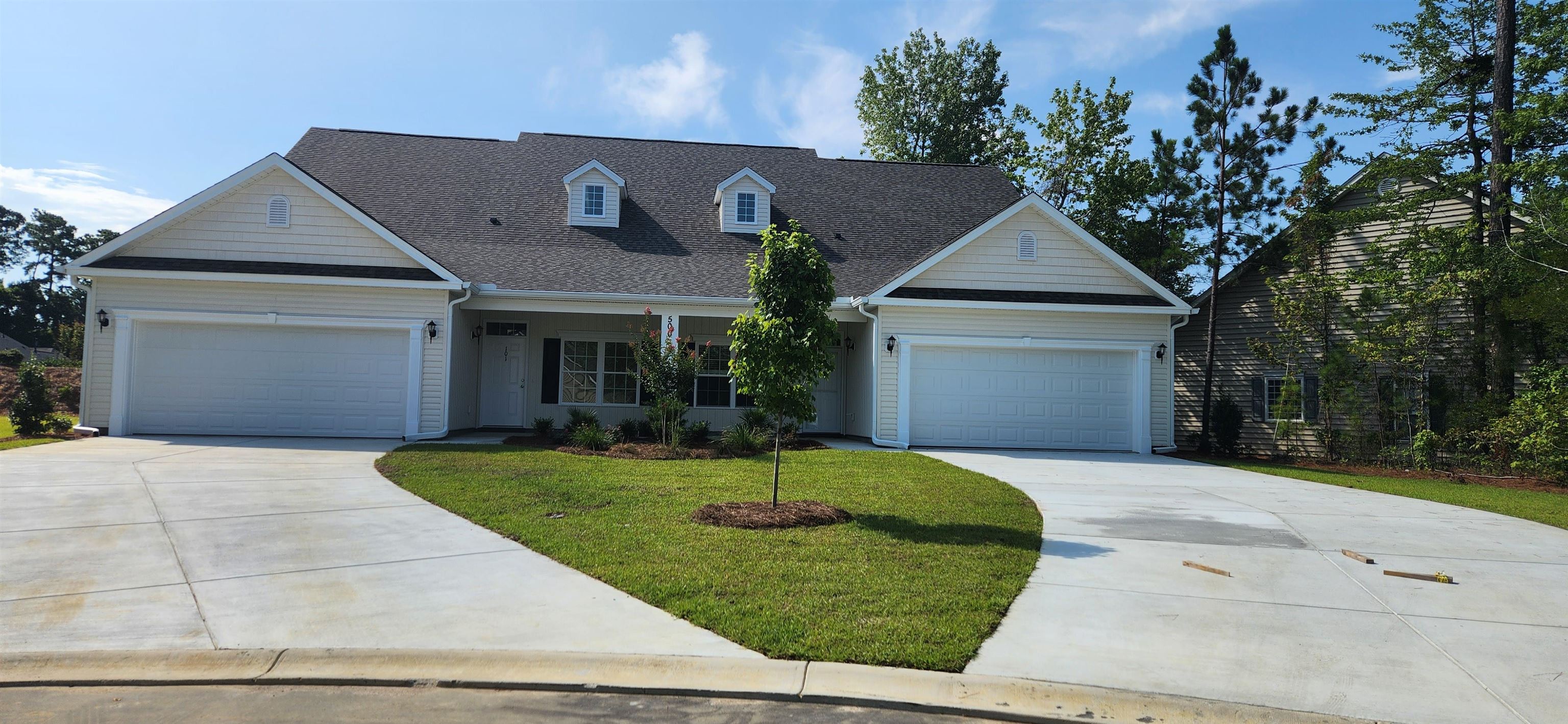
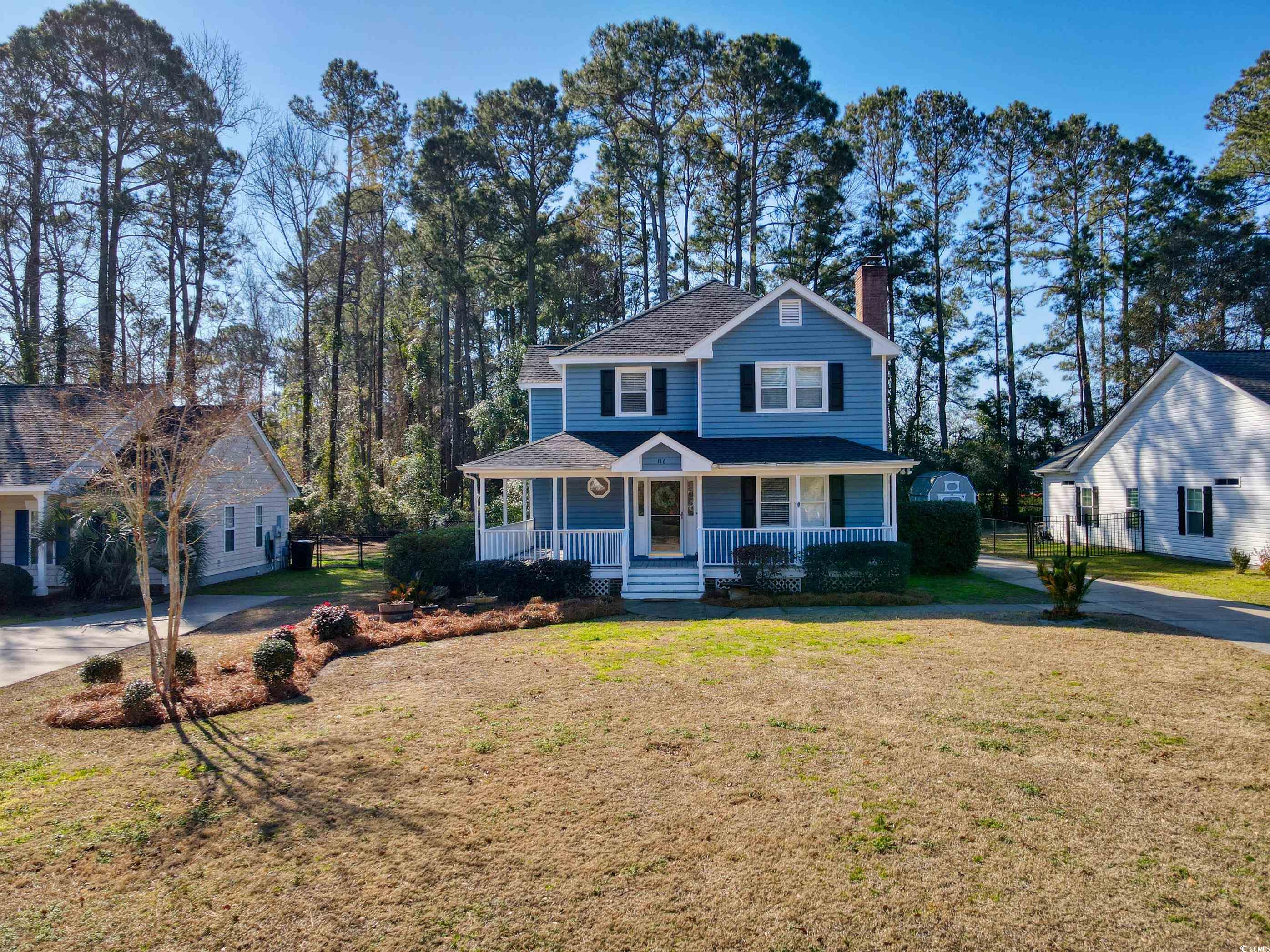
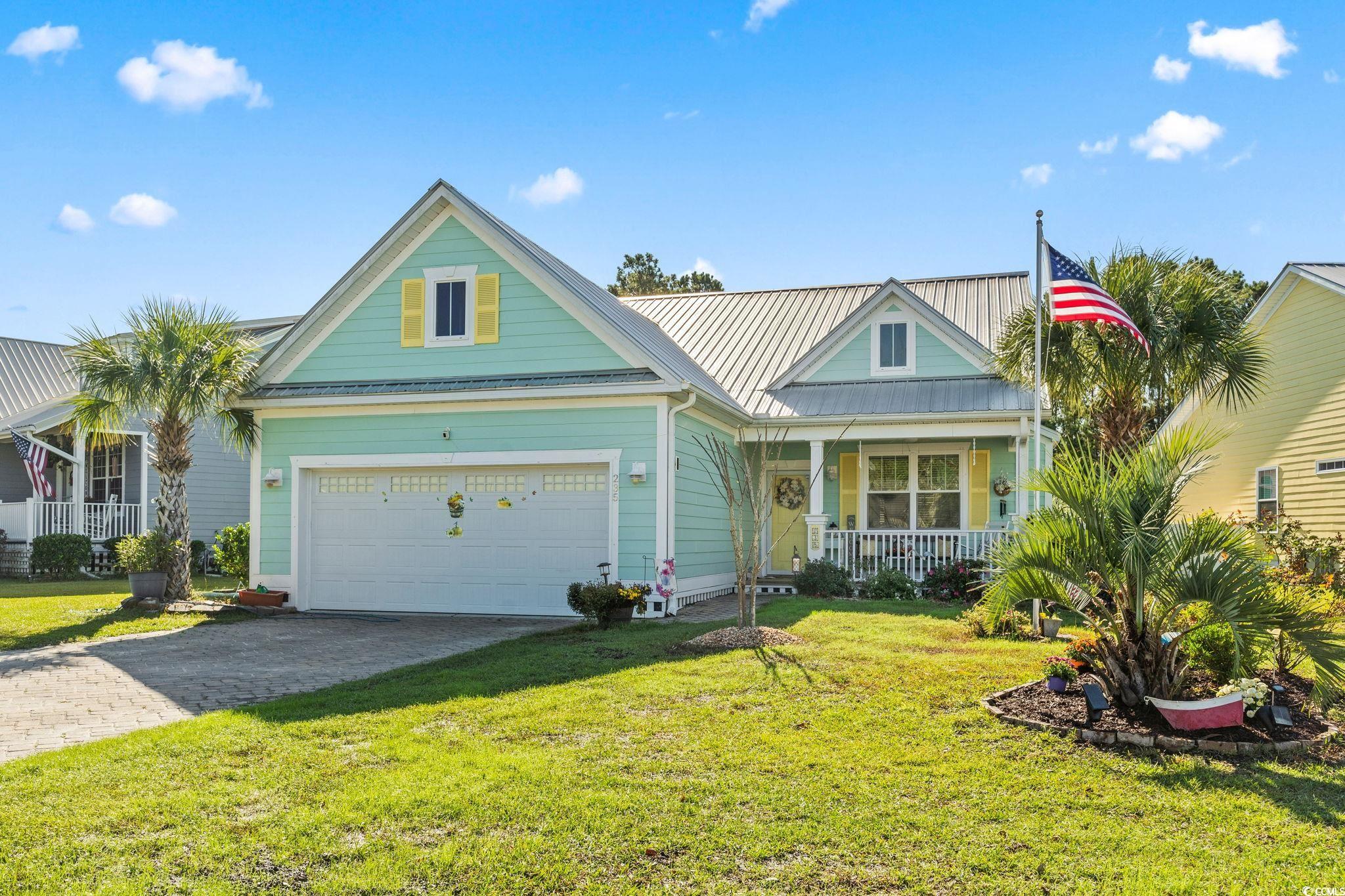
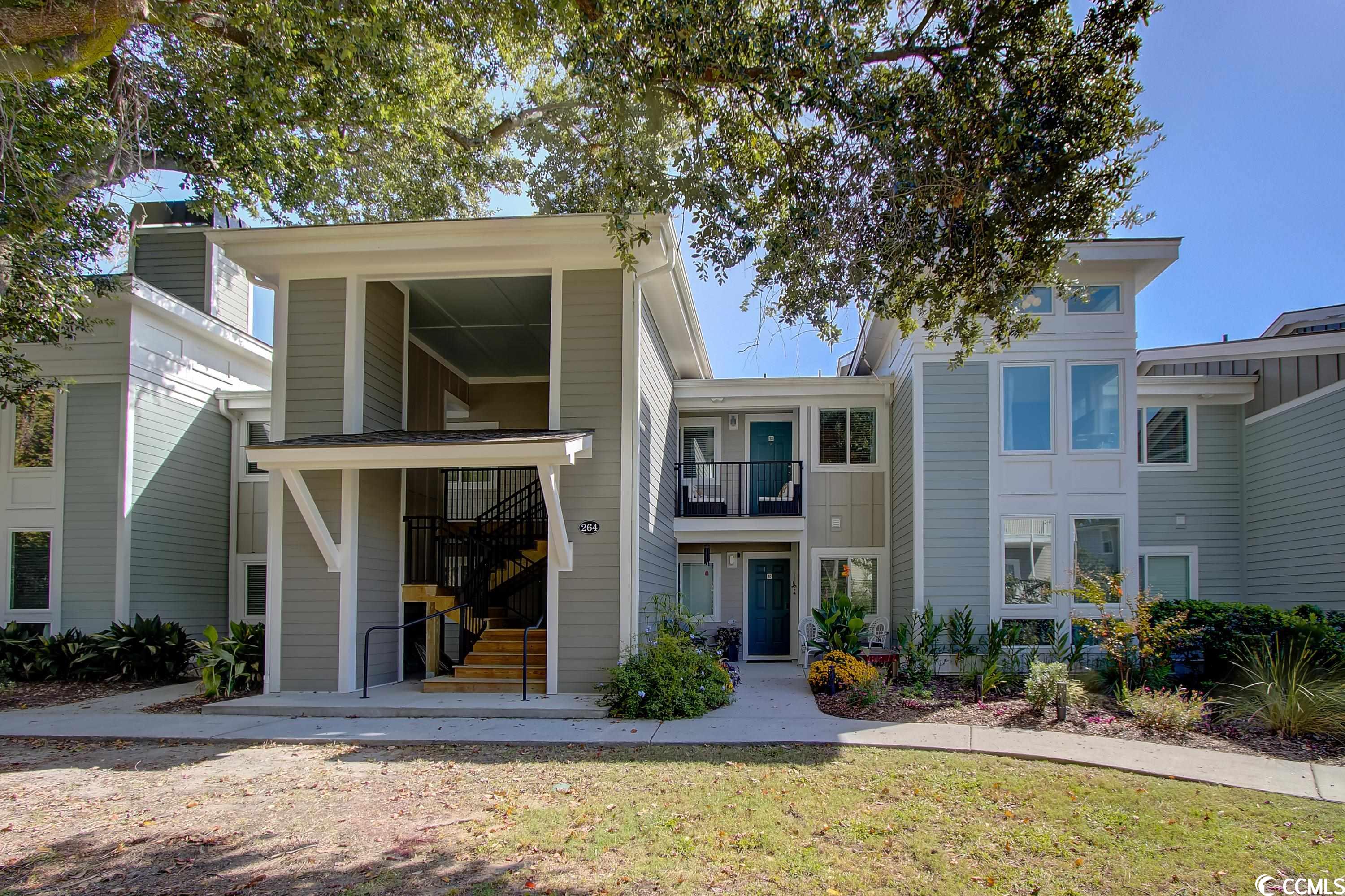
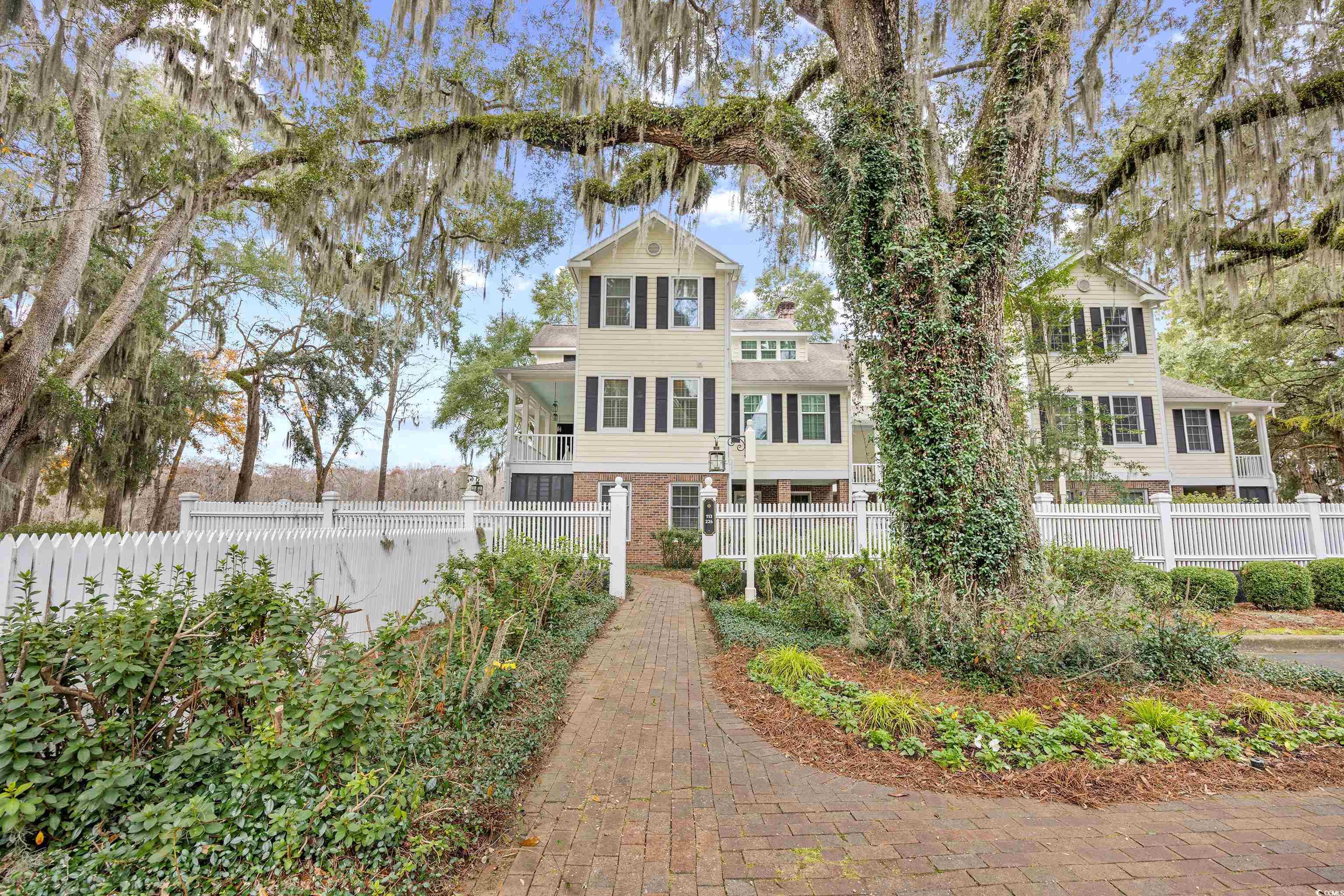
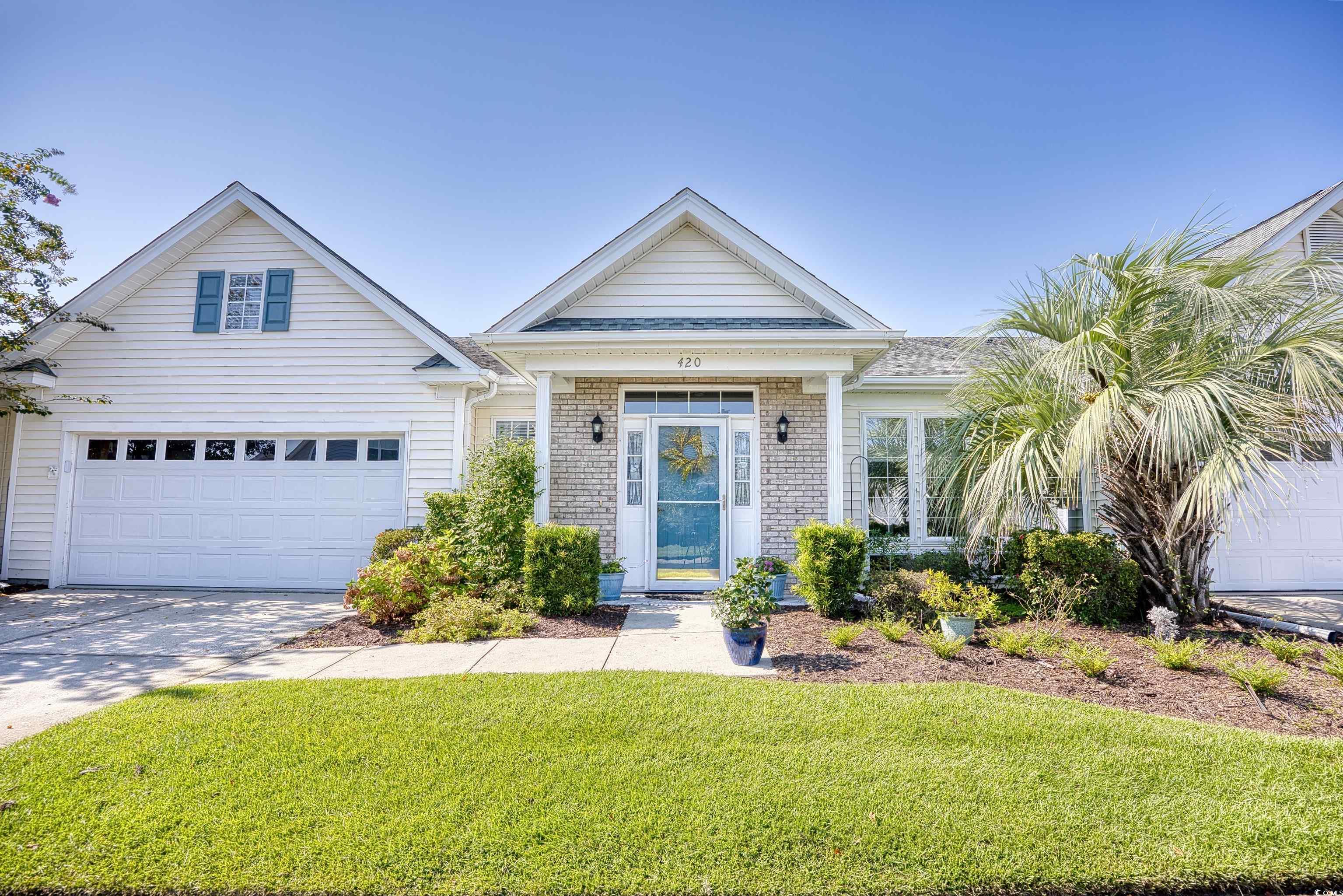
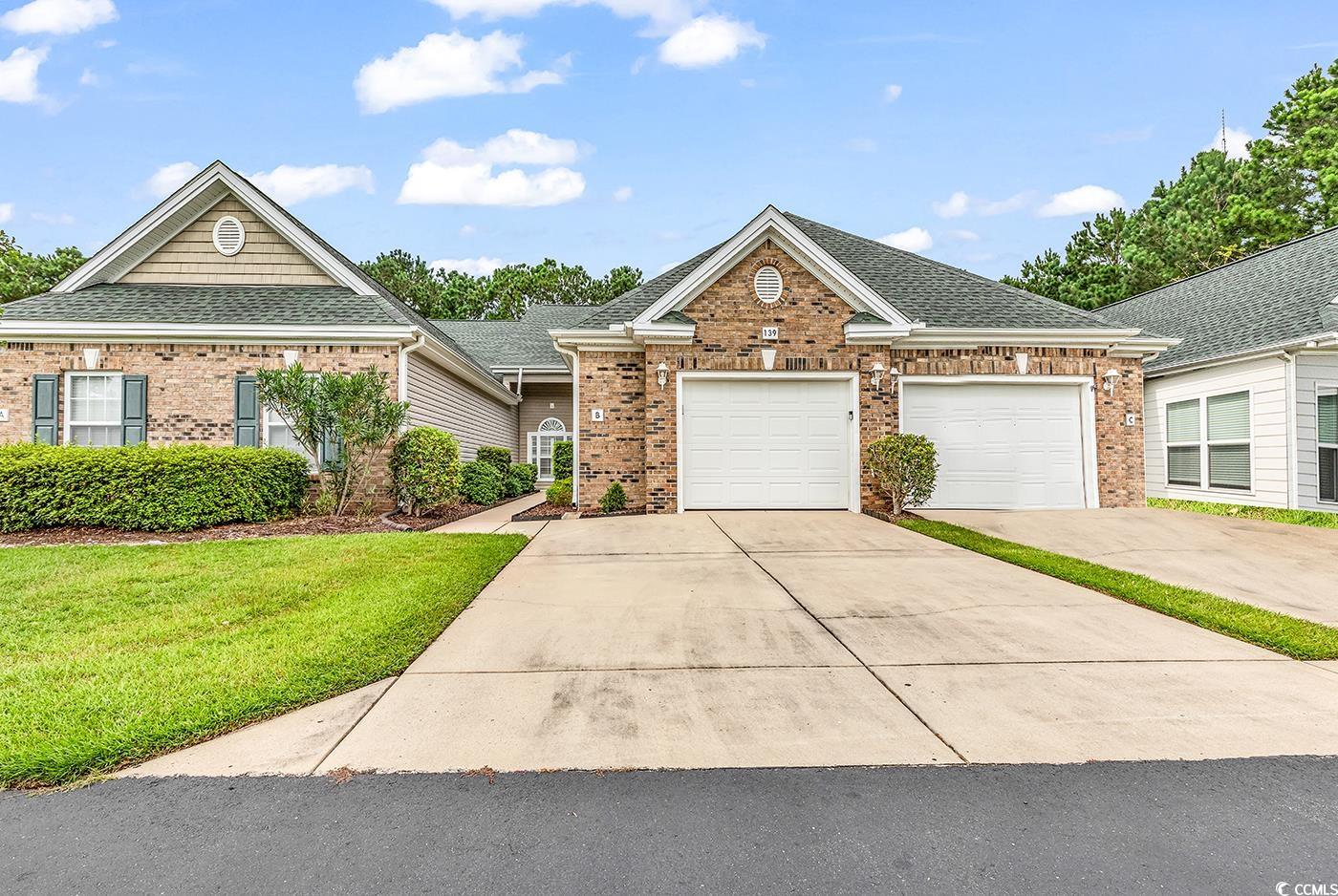
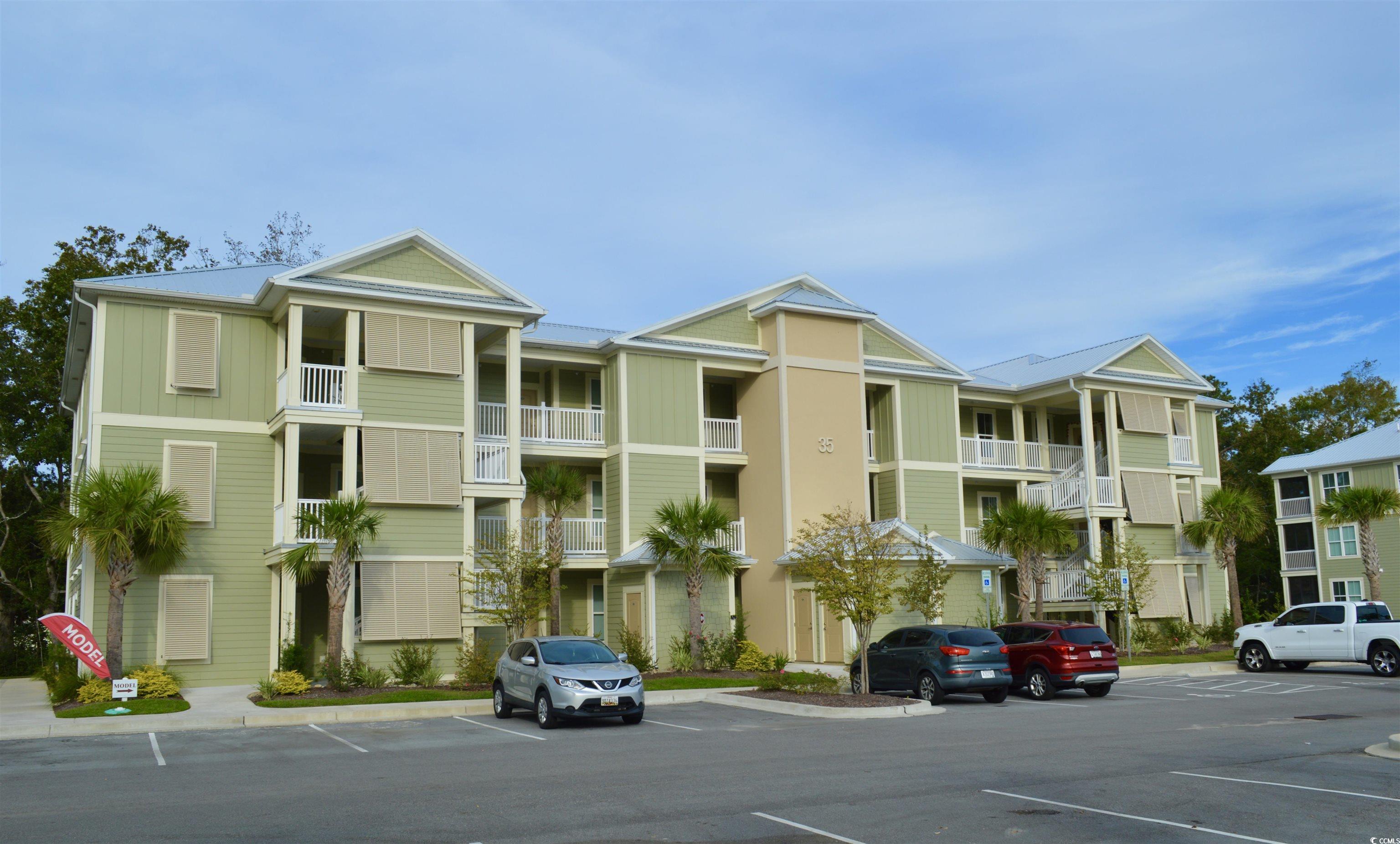
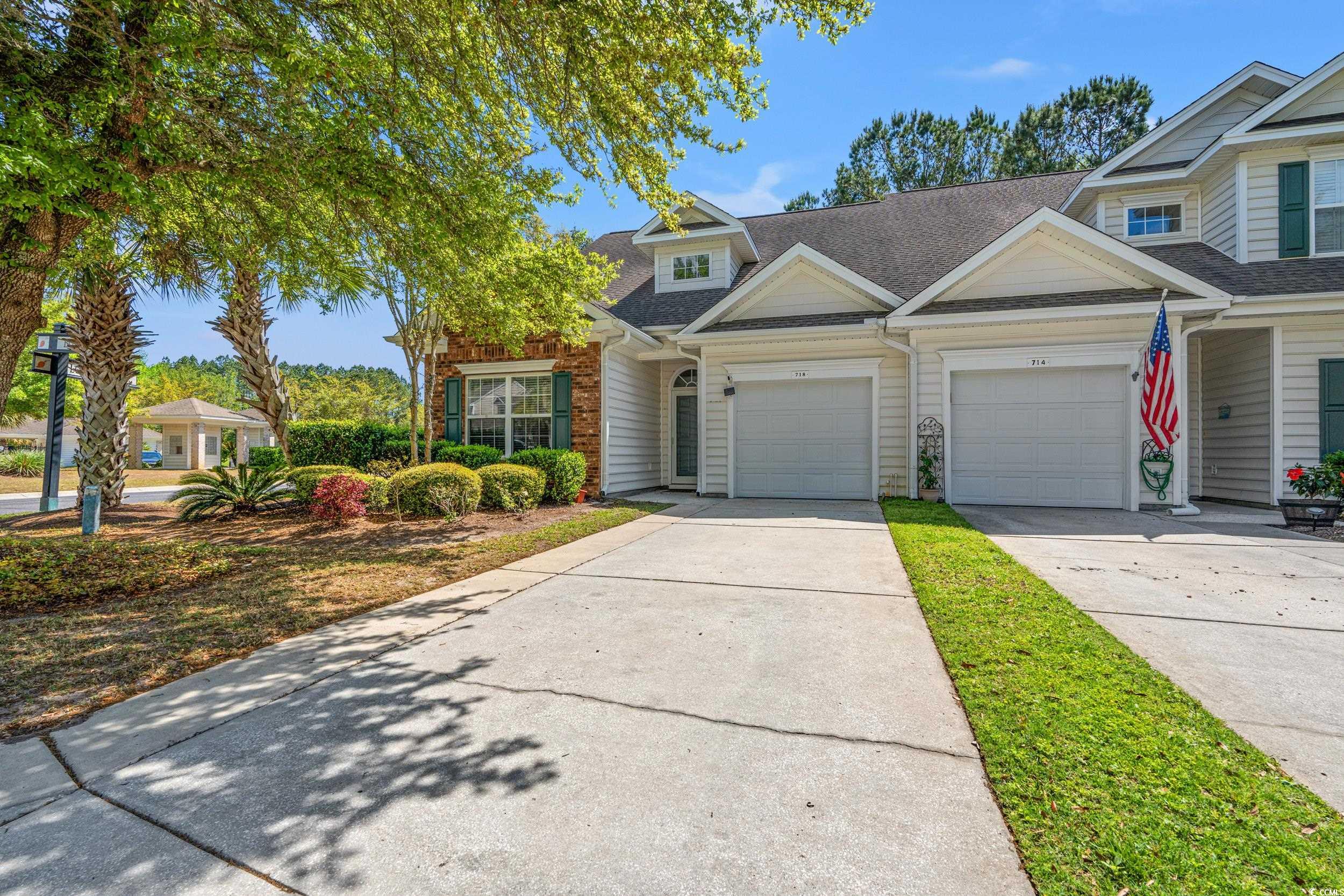
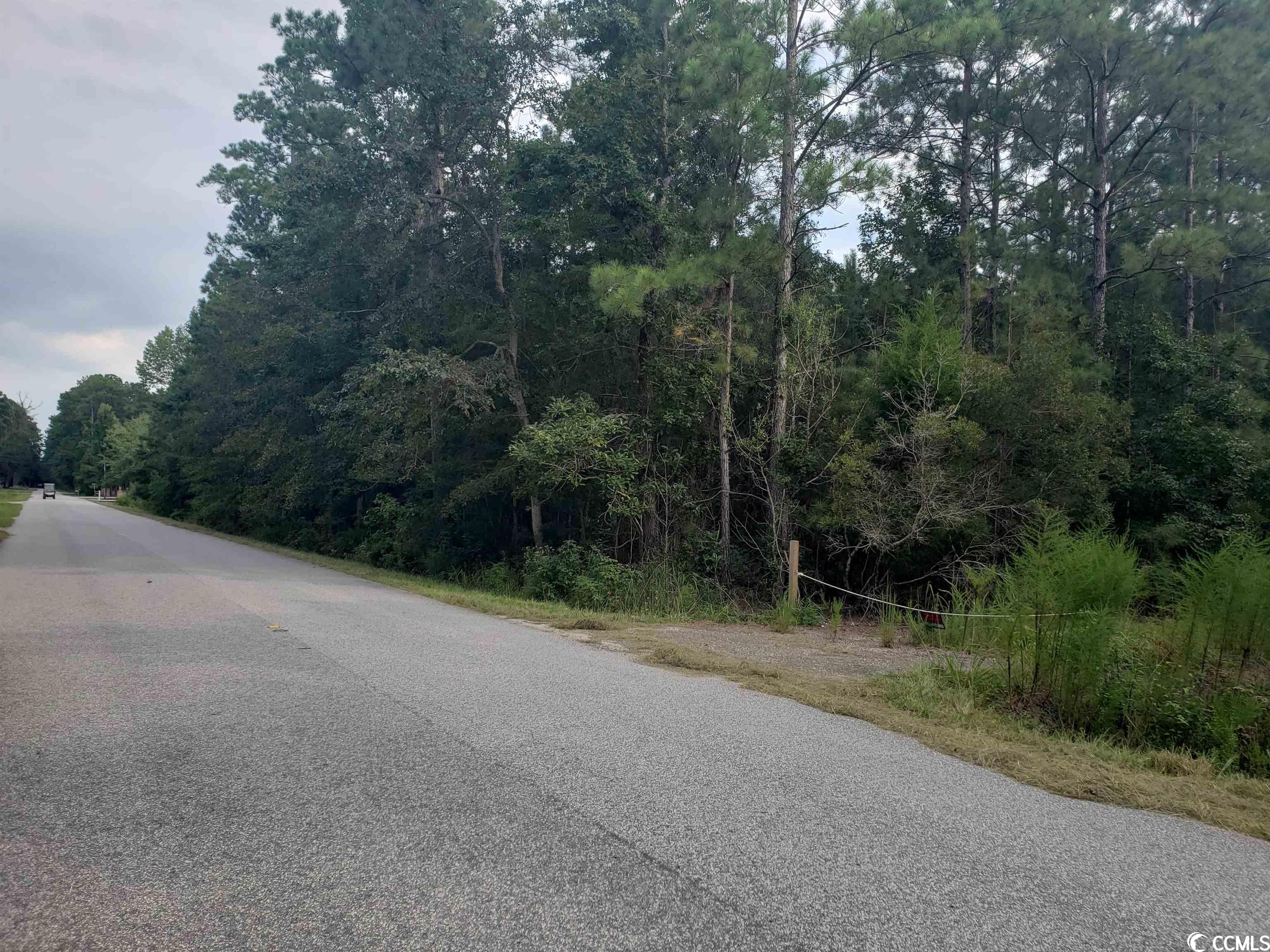
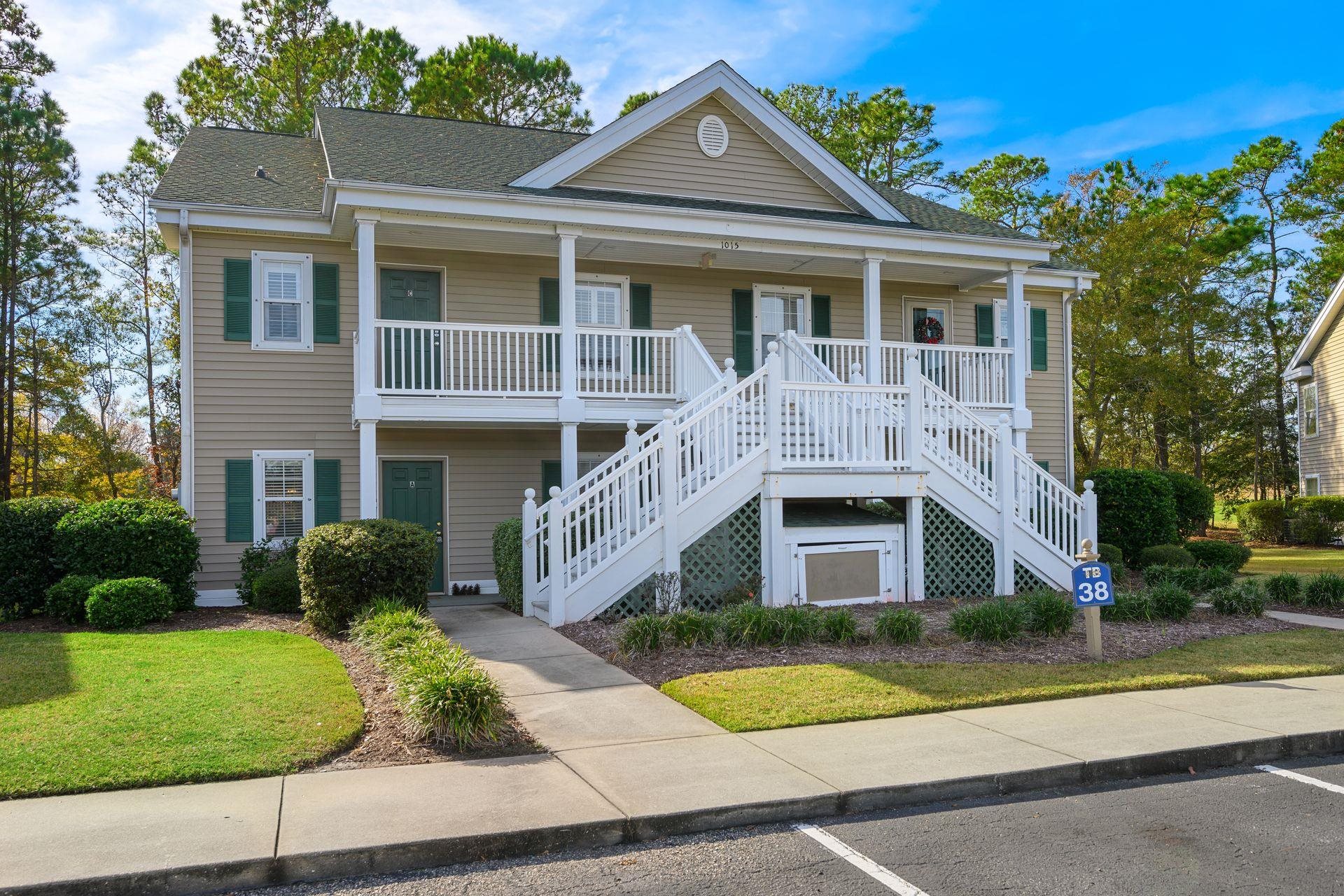
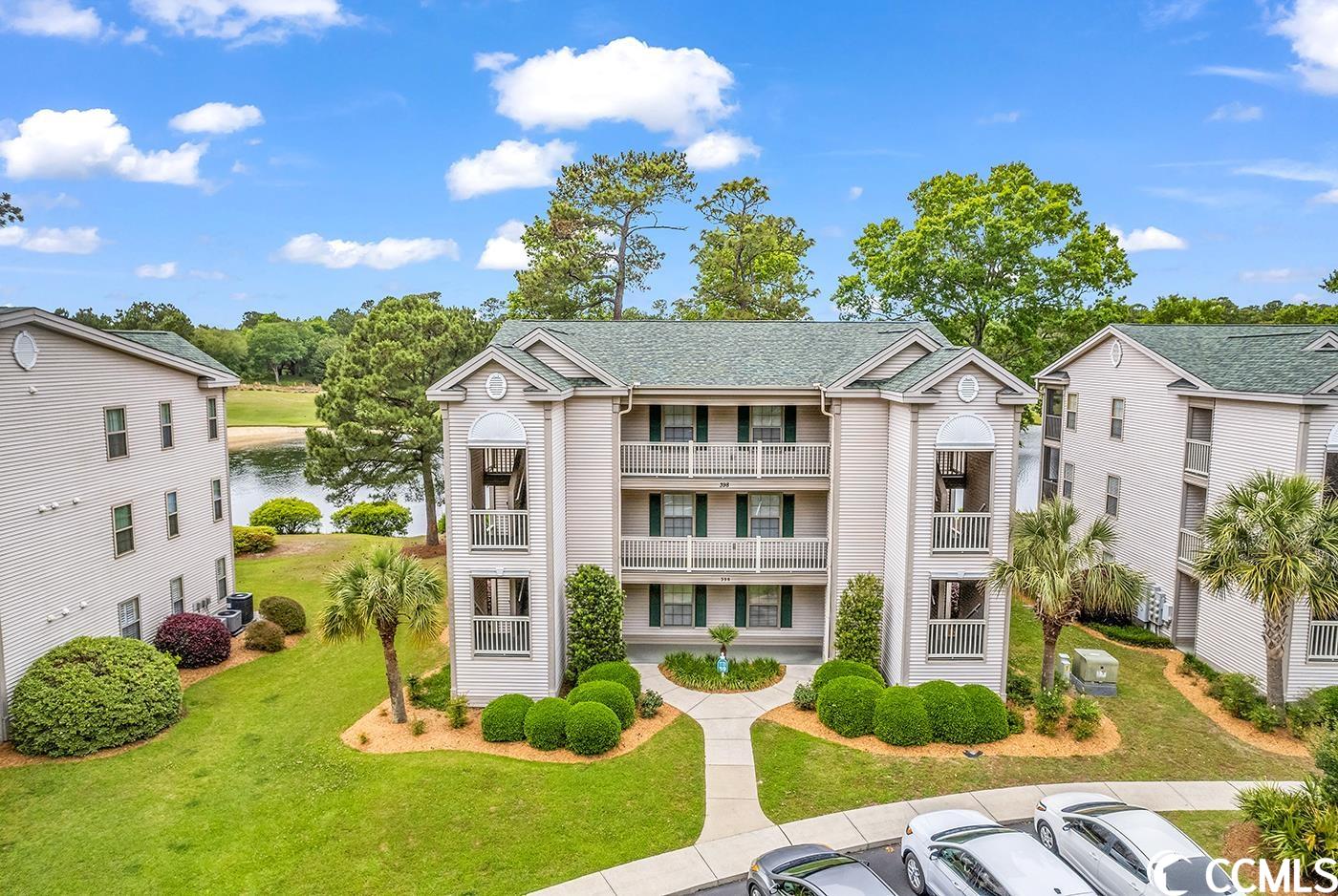
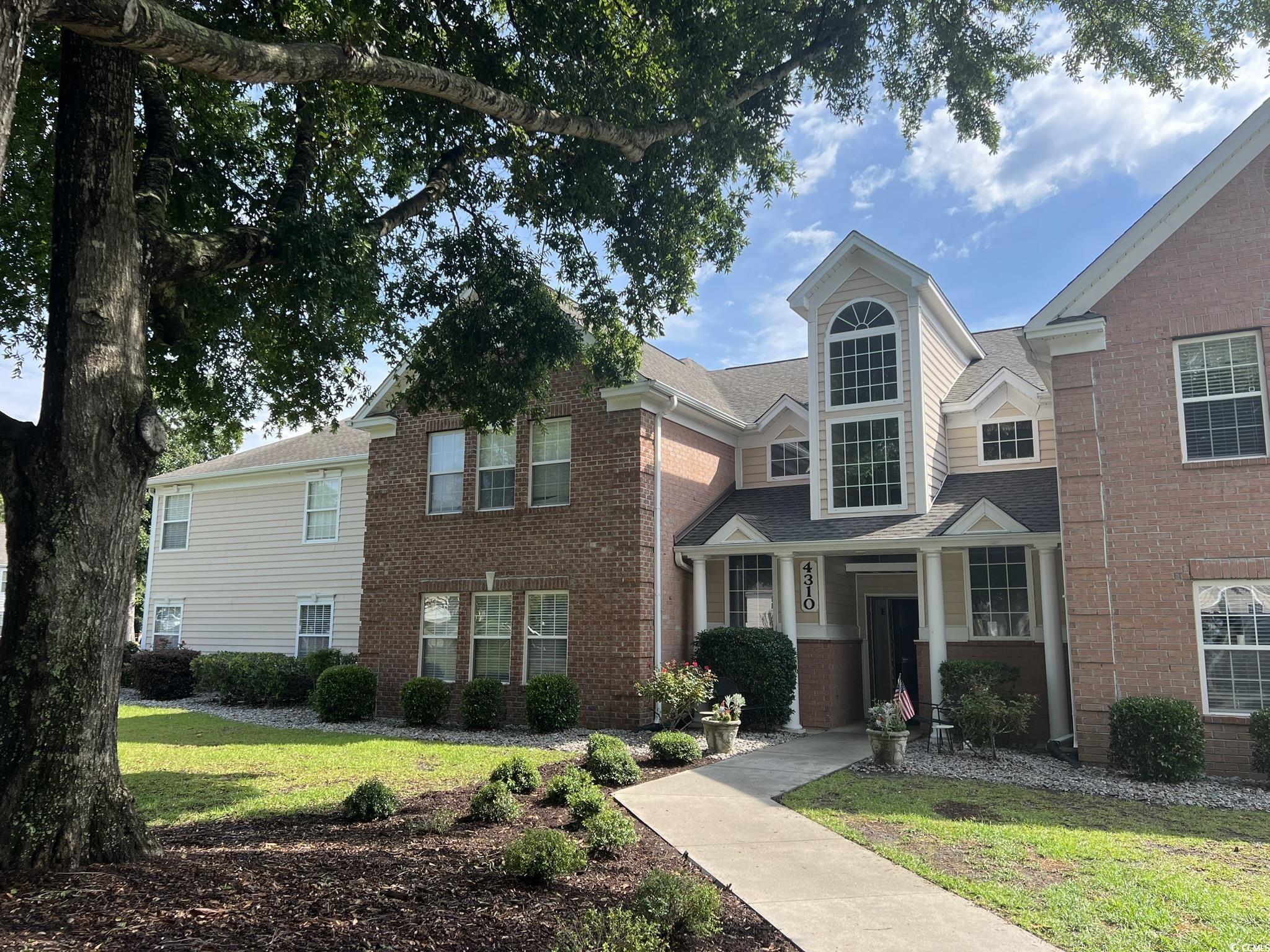
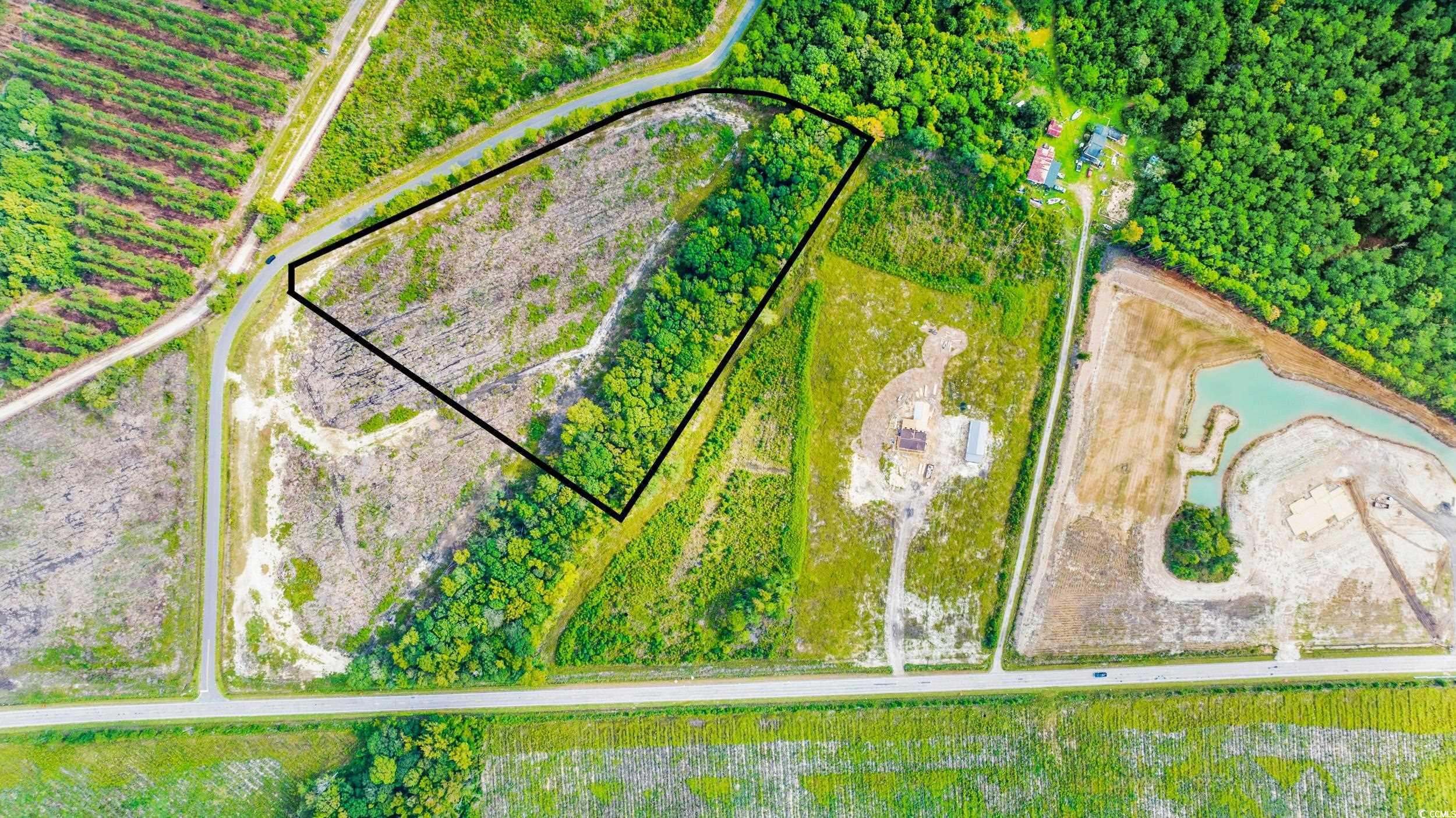
Real estate here ranges widely: restored historic homes near Front Street, waterfront residences on the Sampit or Winyah Bay, traditional brick-ranch neighborhoods, newer construction on the city's edges, and rural acreage further out. A downtown historic home, a suburban brick ranch, and a Sampit River property with a dock can sit within a few miles of each other while serving very different buyers.
Founded in 1729, Georgetown trails only Charleston and Beaufort in age, with more than 60 downtown buildings on the National Register of Historic Places.
A waterfront boardwalk runs about four blocks along the Sampit River, linking parks, restaurants, and marina views directly behind the historic shopping district.
The Rice Museum, South Carolina Maritime Museum, Georgetown County Museum, Gullah Museum, and Kaminski House Museum sit within walking distance of each other.
Georgetown Memorial Hospital anchors Tidelands Health, the region's largest employer, giving full-time residents nearby acute-care access.
Daily life in Georgetown tends to move between the Harborwalk, Front Street's independent restaurants and galleries, and the water itself: fishing, sailing, and kayaking on Winyah Bay and the connecting river systems. The city hosts the Georgetown Wooden Boat Show each fall, drawing boats, craftspeople, and demonstrations to the downtown waterfront alongside a regular calendar of art walks and festivals.
Georgetown's median resident age is about 46, older than the South Carolina state median, and the city's population has held roughly steady over the past two decades even as the surrounding county has grown faster, a pattern consistent with a historic downtown core surrounded by newer suburban and coastal development.
Median age and population trend: U.S. Census Bureau QuickFacts and World Population Review, 2026.
Front Street and the surrounding downtown blocks hold Georgetown's core of locally owned businesses.
Downtown landmarks confirmed via City of Georgetown official site (georgetownsc.gov) and Georgetown County Museum resources, 2026.
Event and destination details per City of Georgetown official site and Hobcaw Barony visitor information, 2026.
Georgetown falls under the Georgetown County School District, which operates 8 elementary schools, 5 middle schools, and 3 high schools countywide, plus several private school options within the city. Which specific school a property is zoned for depends on its exact address, so buyers should confirm current attendance zoning directly with the district before purchasing.
School counts and district structure: Movoto Georgetown, SC market trends, sourced from Georgetown County School District, 2026.
Estimates for Georgetown's housing market vary by source and methodology: Zillow puts the average home value at about $250,000, down 1.7 percent over the past year, while active-listing data from Movoto shows a median list price closer to $344,000 with homes typically spending about 86 days on the market. ZIP-level Census data, which covers a much larger rural area beyond city limits, shows a lower median home value near $172,600 to $208,900.
Because Georgetown spans historic downtown, waterfront, suburban, and rural settings within the same ZIP code, comparing a specific property against the right micro-market matters more here than in most neighborhoods. Buyers should also compare Georgetown against the broader Pawleys Island homes for sale market when weighing a historic city property against a beach-area purchase.
Home value estimates: Zillow Home Values, Georgetown, SC, June 2026; Movoto Georgetown, SC Market Trends, July 2026; U.S. Census Bureau American Community Survey via Zip-Codes.com, April 2026.
Taylor Keenan, ABR, The Litchfield Company, a Christie's International Real Estate affiliate, Pawleys Island, SC. Taylor was named 2020 Rookie of the Year by The Litchfield Company and represents buyers and sellers across Georgetown, DeBordieu Colony, Pawleys Island, Litchfield Beach, and Murrells Inlet. Reach the Taylor Keenan Team at (843) 630-1166 or through the contact page.
Is Georgetown, SC a good place to retire?
Many retirees are drawn to Georgetown for its historic character, boating and fishing access, walkable downtown, and full healthcare services through Tidelands Health, combined with home prices generally lower than nearby beach communities.
How far is Georgetown from the beach?
The beaches of Pawleys Island are about 11 miles north of downtown Georgetown, while DeBordieu Colony's private oceanfront sits just south of the city.
What is the median home price in Georgetown, SC?
Estimates vary by source: Zillow's average home value runs about $250,000, while active-listing data shows a median list price closer to $344,000. Buyers should compare a specific property's micro-market, since historic downtown, waterfront, and suburban areas price very differently.
How old is Georgetown, and what makes it historic?
Georgetown was founded in 1729, making it South Carolina's third-oldest city after Charleston and Beaufort. Its downtown holds more than 60 properties on the National Register of Historic Places.
What school district serves Georgetown?
Georgetown falls under the Georgetown County School District, which operates 8 elementary schools, 5 middle schools, and 3 high schools countywide. Specific school zoning depends on the property's exact address.
Taylor Keenan and the Taylor Keenan Team provide local market knowledge and personalized representation for buyers and sellers throughout Georgetown, DeBordieu Colony, Pawleys Island, Litchfield Beach, and Murrells Inlet.
Sources: 1. City of Georgetown official site, georgetownsc.gov, Facts and Figures. 2. U.S. Census Bureau QuickFacts, Georgetown city, South Carolina. 3. World Population Review, Georgetown, SC, 2026. 4. Zillow Home Values, Georgetown, SC, June 2026. 5. Movoto Georgetown, SC Market Trends, July 2026. 6. Zip-Codes.com and City-Data.com, ZIP 29440 profile, 2026. 7. Wikipedia, Georgetown County, South Carolina. 8. The Litchfield Company, thelitchfieldcompany.com.
26,419 people live in Georgetown, SC, where the median age is 45.9 and the average individual income is $34,051. Data provided by the U.S. Census Bureau.
Total Population
Median Age
Population Density
Average individual Income
There's plenty to do around Georgetown, SC, including shopping, dining, nightlife, parks, and more. Data provided by Walk Score and Yelp.
Explore popular things to do in the area, including Dwayne's meals brought to you, Mrs Dot Snacks, and KJs Wingz&Thingz.
| Name | Category | Distance | Reviews |
Ratings by
Yelp
|
|---|---|---|---|---|
| Dining | 0.03 miles | 0 reviews | 0/5 stars | |
| Dining | 0.03 miles | 0 reviews | 0/5 stars | |
| Dining | 0.03 miles | 0 reviews | 0/5 stars | |
| Dining | 0.99 miles | 0 reviews | 0/5 stars | |
| Dining | 1.01 miles | 0 reviews | 0/5 stars | |
| Dining | 1.05 miles | 0 reviews | 0/5 stars | |
| Dining | 1.33 miles | 0 reviews | 0/5 stars | |
| Dining | 1.35 miles | 0 reviews | 0/5 stars | |
| Dining | 1.54 miles | 0 reviews | 0/5 stars | |
| Dining · $ | 1.68 miles | 9 reviews | 4.1/5 stars | |
| Shopping | 0.03 miles | 0 reviews | 0/5 stars | |
| Shopping | 1.01 miles | 0 reviews | 0/5 stars | |
| Shopping | 1.06 miles | 0 reviews | 0/5 stars | |
| Shopping | 1.77 miles | 1 review | 2/5 stars | |
| Active | 1.7 miles | 1 review | 5/5 stars | |
| Beauty | 0.03 miles | 0 reviews | 0/5 stars | |
| Beauty | 0.03 miles | 0 reviews | 0/5 stars | |
| Beauty | 0.03 miles | 0 reviews | 0/5 stars | |
| Beauty | 0.03 miles | 0 reviews | 0/5 stars | |
| Beauty | 1.07 miles | 0 reviews | 0/5 stars | |
| Beauty | 1.43 miles | 0 reviews | 0/5 stars | |
| Beauty | 1.47 miles | 1 review | 5/5 stars | |
| Beauty | 1.47 miles | 1 review | 5/5 stars | |
| Beauty | 1.6 miles | 0 reviews | 0/5 stars | |
|
|
||||
|
|
||||
|
|
||||
|
|
||||
|
|
||||
|
|
Georgetown, SC has 10,672 households, with an average household size of 2.42. Data provided by the U.S. Census Bureau. Here’s what the people living in Georgetown, SC do for work — and how long it takes them to get there. Data provided by the U.S. Census Bureau. 26,419 people call Georgetown, SC home. The population density is 51 and the largest age group is Data provided by the U.S. Census Bureau.
Total Population
Population Density Population Density This is the number of people per square mile in a neighborhood.
Median Age
Men vs Women
Population by Age Group
0-9 Years
10-17 Years
18-24 Years
25-64 Years
65-74 Years
75+ Years
Education Level
Total Households
Average Household Size
Average individual Income
Households with Children
With Children:
Without Children:
Blue vs White Collar Workers
Blue Collar:
White Collar:

14240 Ocean Hwy Pawleys Island SC 29585
14240 Ocean Hwy Pawleys Island SC 29585